한국어
한국어  English
  Español
  Français
  Português
  Deutsch
  Italiano
  Русский
  العربية
  简体中文
简体中文  香港中文
香港中文  日本語
日本語  Türkçe
  Nederlands
  Bahasa Indonesia
 우드텍의 고급 솔루션으로 공항용 캐노피 복합 플라스틱 살펴보기
지속 가능한 건축 자재에 대한 수요가 계속 증가함에 따라 많은 업계에서 환경에 미치는 영향을 최소화하면서 인프라를 개선할 수 있는 혁신적인 솔루션을 모색하고 있습니다. 이러한 발전 중 하나는 캐노피 복합 플라스틱을 공항에 적용하는 것입니다. 이 소재는 내구성, 낮은 유지보수 비용, 미적 매력 등 다양한 이점을 제공하여 이상적인 ...
As the demand for sustainable building materials continues to rise, many industries are exploring innovative solutions to enhance their infrastructure while minimizing environmental impact. One such advancement is the use of canopy composite plastic, particularly for applications in airports. This material offers numerous benefits, including durability, low maintenance, and aesthetic appeal, making it an ideal choice for modern transportation hubs. Woodedtech, a leading manufacturer of wood-plastic composites in China, is at the forefront of this evolution, providing advanced solutions that cater to the unique needs of airport environments.
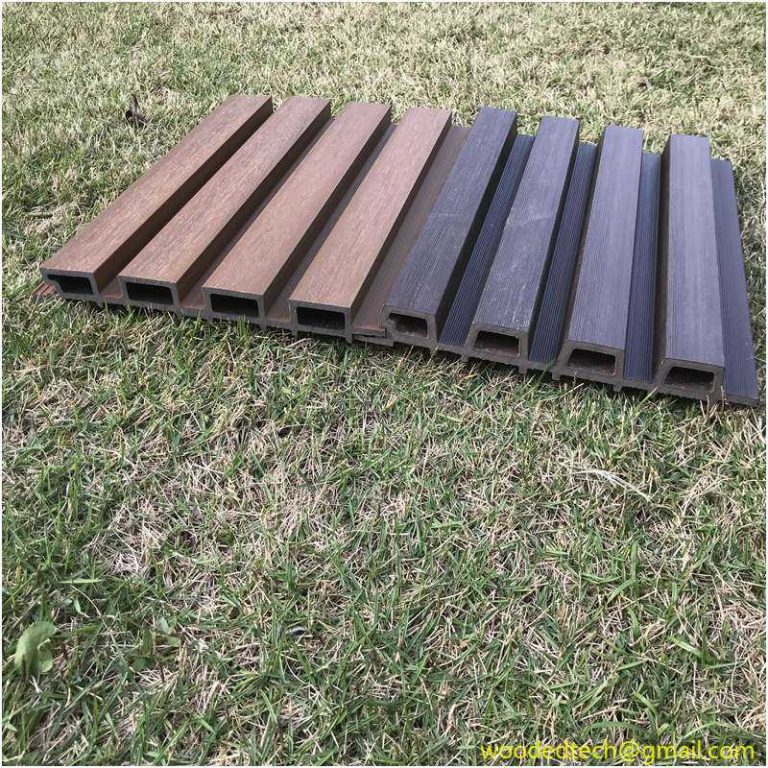
Canopy composite plastic is a versatile building material that combines the natural beauty of wood with the durability of plastic. This innovative composite provides an ideal solution for airport canopies and other outdoor structures, where exposure to the elements can be a significant concern. Unlike traditional materials that may warp, crack, or splinter over time, composite plastics offer enhanced resilience against weather-related wear and tear. This durability translates to reduced maintenance needs, allowing airport operators to focus on providing excellent service rather than dealing with frequent repairs or replacements.
One of the primary advantages of using canopy composite plastic in airports is its ability to withstand harsh environmental conditions. With constant exposure to sun, rain, wind, and snow, airport structures must be designed to endure significant stress. Woodedtech’s advanced formulations ensure that their canopies can resist fading, discoloration, and degradation, maintaining their aesthetic appeal for years. This long-lasting performance means that facilities can invest in composite canopies with confidence, knowing that they will not only look good but also function effectively throughout their lifespan.

Moreover, the maintenance-free nature of composite materials significantly reduces the operational costs associated with airport infrastructure. Traditional building materials often require regular upkeep, including painting, sealing, and occasional replacement. In contrast, canopy composite plastic requires minimal care, significantly lowering labor and material expenses over time. This aspect is particularly beneficial for airport authorities that must allocate their budgets efficiently while ensuring that terminal aesthetics and functionality are not compromised.
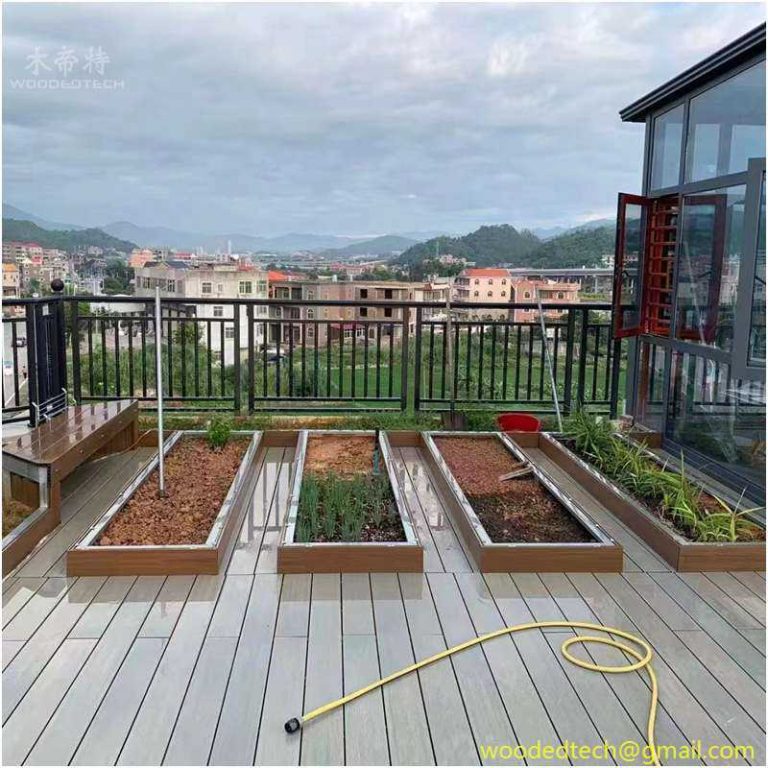
The aesthetic versatility of canopy composite plastic also plays a crucial role in its appeal for airport applications. Available in a variety of colors, textures, and finishes, this material can easily mimic the look of natural wood while providing all the benefits of synthetic materials. This characteristic allows architects and designers to create visually stunning structures that enhance the overall passenger experience. In an airport setting, where first impressions matter greatly, the use of composite canopies can contribute to a welcoming and modern atmosphere.
In addition to durability and aesthetic appeal, sustainability is another critical consideration for many airports today. The aviation industry is increasingly focused on reducing its environmental footprint, and using eco-friendly materials is a significant step in this direction. Woodedtech’s canopy composite plastic is made from recycled materials, helping to divert waste from landfills while promoting a circular economy. By choosing composite materials for their structures, airports can align themselves with global sustainability goals and demonstrate their commitment to environmentally responsible practices.

Furthermore, the lightweight nature of canopy composite plastic adds to its practicality in airport applications. Traditional materials, such as solid wood or metal, can be cumbersome and challenging to work with during installation. Composite materials, on the other hand, are easier to handle and install, reducing labor costs and minimizing disruptions during construction or renovation projects. This advantage is particularly important in busy airport environments, where efficiency and timeliness are paramount.
Safety is another essential factor to consider when selecting materials for airport structures. Canopy composite plastic is designed to meet stringent safety standards, ensuring that it can withstand the rigors of high-traffic areas. Its slip-resistant surface is particularly beneficial in outdoor environments where rain or snow can create hazardous conditions. By prioritizing safety in design, airports can enhance passenger comfort and confidence while navigating their facilities.
Additionally, the integration of advanced technology in the production of canopy composite plastics allows Woodedtech to offer customizable solutions tailored to specific client needs. This flexibility ensures that airports can obtain canopies that not only meet functional requirements but also align with their branding and design goals. Whether it’s incorporating specific colors or adapting shapes to fit unique architectural visions, the possibilities with composite materials are virtually limitless.
By exploring the potential of canopy composite plastic, airports can invest in a sustainable, low-maintenance solution that addresses the challenges presented by traditional materials. With Woodedtech’s advanced solutions, the future of airport infrastructure looks promising. The combination of durability, aesthetic appeal, and environmental responsibility positions canopy composite plastic as a top choice for airport operators aiming to enhance their facilities while minimizing upkeep costs. By embracing these innovative materials, airports can create a more efficient and enjoyable experience for travelers while contributing to a greener planet.