Português
  English
  Español
  Français
  Deutsch
  Italiano
  Русский
  العربية
  简体中文
简体中文  香港中文
香港中文  한국어
한국어  日本語
日本語  Türkçe
  Nederlands
  Bahasa Indonesia
 Como construir uma treliça de madeira plástica utilizando materiais compósitos de qualidade de fábrica WPC da China
Construir uma treliça com madeira plástica feita de materiais compostos de madeira e plástico (WPC) é uma opção sustentável e esteticamente agradável para jardineiros e paisagistas. O WPC combina as melhores caraterísticas da madeira e do plástico, resultando num produto durável, de baixa manutenção e resistente às intempéries. Este guia explorará as etapas e considerações necessárias para...
Building a trellis using plastic timber made from wood-plastic composite (WPC) materials presents a sustainable and aesthetically pleasing option for gardeners and landscapers. WPC combines the best characteristics of wood and plastic, resulting in a product that is durable, low maintenance, and resistant to weathering. This guide will explore the steps and considerations necessary to construct a trellis using composite materials sourced from a WPC factory in China.
Understanding Wood-Plastic Composite
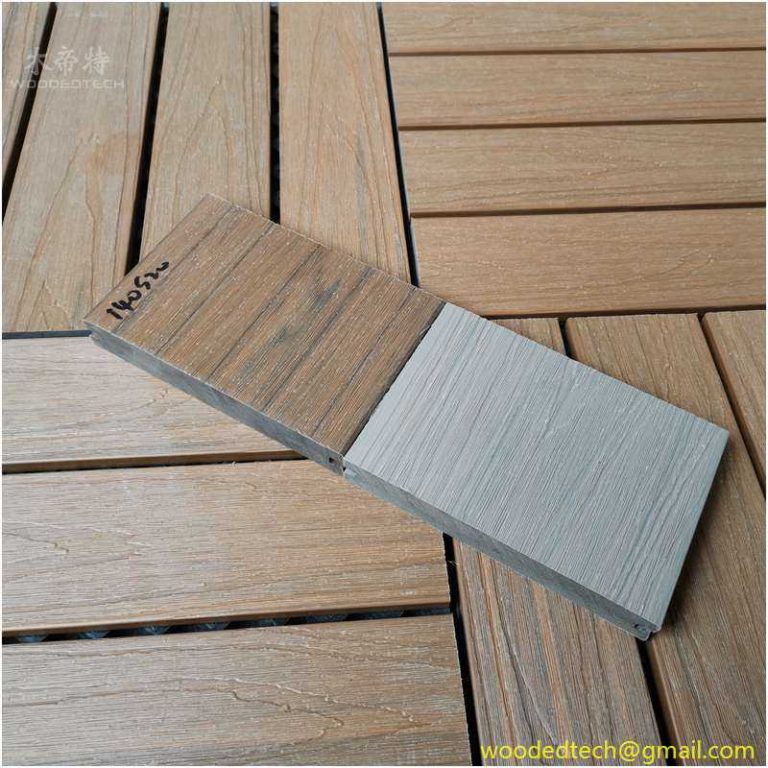
Wood-plastic composite is an innovative material made from a blend of wood fibers and recycled plastic, which is then processed to create durable boards. The combination of these materials offers several advantages, such as resistance to rot, insects, and fading. Furthermore, WPC is available in various colors and textures, allowing it to mimic the appearance of traditional wood while offering superior longevity.
Choosing the Right WPC Material
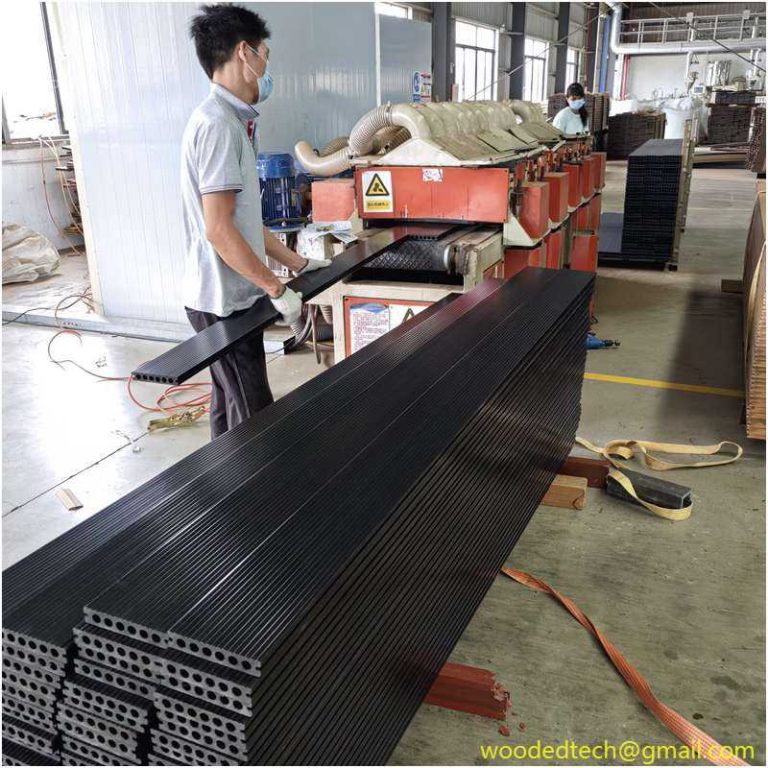
When selecting WPC for your trellis, it is essential to choose a factory-grade composite that meets quality standards. In China, several manufacturers produce WPC materials specifically designed for outdoor applications. Look for products that have been tested for durability and weather resistance. Additionally, consider the thickness and dimensions of the boards to ensure they can support the intended load of climbing plants.
Designing the Trellis
The first step in building a trellis is to design its structure. The design should take into account the type of plants that will be supported, as well as the overall aesthetic desired. Common designs include simple vertical panels, lattice grids, or archways that add height and charm to the garden. It is beneficial to create a detailed plan that includes measurements, dimensions, and a list of materials needed. This plan will serve as a blueprint for the construction process.

Recolha de ferramentas e materiais
Once the design is finalized, gather all necessary tools and materials. For constructing a WPC trellis, the following tools are typically required: a saw for cutting the composite boards, a drill for assembling the pieces, screws or brackets for fastening, and a level to ensure the structure is straight. In addition to the WPC boards, consider incorporating other elements such as posts or anchors that can provide additional support.
Cutting the WPC Boards
With the materials ready, the next step involves cutting the WPC boards according to the design specifications. It is important to use a saw that is suitable for cutting composite materials, such as a circular saw or a miter saw. When cutting, wear protective gear to avoid injury from dust and debris. Ensure that all cuts are precise and clean to facilitate easier assembly.
Assembling the Trellis
The assembly process begins by constructing the frame of the trellis. Start with the vertical posts that will support the structure. These posts should be anchored securely in the ground or attached to a stable base. Use a level to confirm that the posts are straight and aligned properly. After the posts are in place, attach the horizontal beams that will create the framework for the trellis. Secure these beams using appropriate fasteners, ensuring they are tightly fitted to prevent wobbling.
Once the frame is established, add the WPC panels or lattice work. Depending on the design, these can be arranged in various patterns. Fasten the panels to the frame using screws or brackets, ensuring they are evenly spaced. It is vital to consider the type of climbing plants that will be used, as some may require more space and support than others.

Toques finais
After the trellis structure is assembled, apply any finishing touches that enhance both functionality and appearance. For aesthetic purposes, consider painting or staining the WPC to match the surrounding landscape. However, ensure that any finishes used are compatible with composite materials to avoid degradation. Additionally, consider installing lighting elements or decorative accents that can highlight the trellis and provide additional visual interest.
Manutenção e durabilidade
One of the significant benefits of using WPC for your trellis is its low maintenance requirements. Unlike traditional wood, WPC does not require regular painting or sealing. However, periodic cleaning with mild soap and water will help maintain its appearance and prevent the buildup of dirt or mildew. Inspect the structure regularly for any signs of damage or wear, particularly after extreme weather conditions. Addressing minor issues early will help extend the life of the trellis.
Building a trellis from WPC materials sourced from a Chinese factory can be a rewarding project that enhances any garden or outdoor space. By understanding the properties of wood-plastic composites, carefully planning the design, and following the assembly process, you can create a durable and beautiful trellis that supports climbing plants for years to come. This sustainable approach not only contributes to a greener environment but also allows for creativity and personalization in outdoor design.