한국어
한국어  English
  Español
  Français
  Português
  Deutsch
  Italiano
  Русский
  العربية
  简体中文
简体中文  香港中文
香港中文  日本語
日本語  Türkçe
  Nederlands
  Bahasa Indonesia
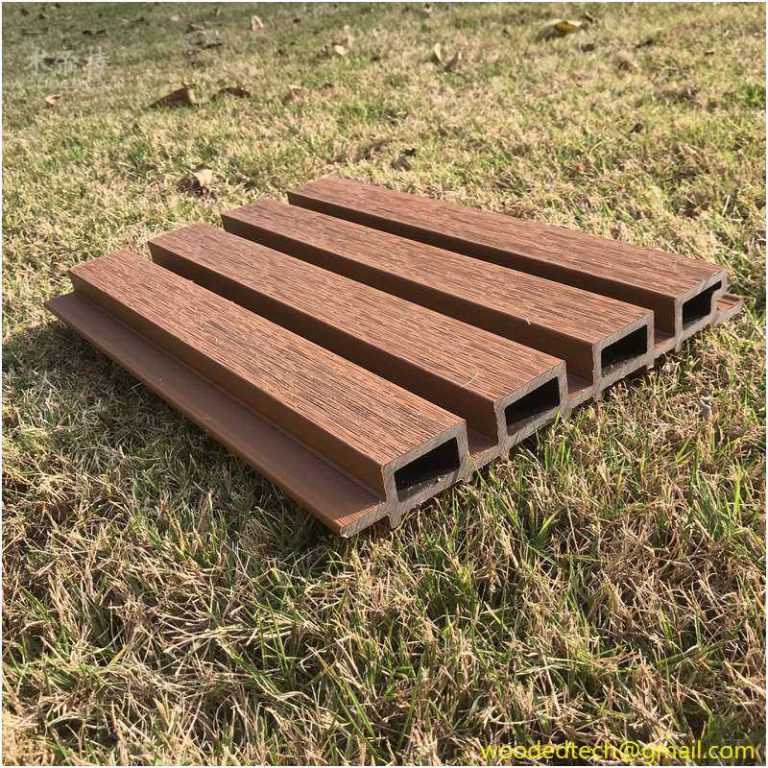
 자연스럽고 현대적인 외관을위한 녹색 터널 WPC 목재 표면 질감
목재-플라스틱 복합재(WPC) 생산 전문 공장으로서 미적 감각과 기능성의 균형을 맞추는 소재 개발은 매우 중요합니다. 이 분야에서 눈에 띄는 혁신 중 하나는 자연스럽고 현대적인 외관을 제공하는 목재 표면 질감이 특징인 그린 터널 WPC입니다. 이 놀라운 제품이 주목을 받고 있습니다...
As a factory specializing in the production of wood-plastic composites (WPC), the development of materials that balance aesthetics and functionality is crucial. One of the standout innovations in this field is the green tunnel WPC, which features a wood surface texture that provides both a natural and modern appearance. This remarkable product is gaining traction in various applications, from outdoor decking to landscaping, due to its unique combination of durability, sustainability, and visual appeal.
To understand the appeal of green tunnel WPC, it is essential to explore the technology behind its production. The foundation of WPC lies in the mixture of wood fibers and plastic polymers. This combination results in a composite material that retains the warm, inviting look of wood while benefiting from the robustness of plastic. The wood fibers typically come from recycled sources, making the process environmentally friendly and sustainable. The use of recycled materials not only reduces waste but also contributes to a lower carbon footprint, aligning with the growing emphasis on sustainable practices in various industries.
The production process of green tunnel WPC involves several steps, including material selection, blending, extrusion, and finishing. The careful selection of wood fibers is crucial, as different types of wood provide varying textures and appearances. By utilizing high-quality wood fibers, manufacturers can enhance the aesthetics of the final product. The blending of these fibers with plastic polymers is done under controlled conditions to ensure a uniform mixture. This is where the innovation in technology plays a vital role, as advanced machinery is used to achieve the optimal ratio of wood to plastic, ensuring the composite is both strong and visually appealing.
Extrusion is the next critical stage in the manufacturing process. During this phase, the blended material is heated and forced through a mold to create the desired shape. For green tunnel WPC, this process allows for the creation of products with intricate surface textures that mimic the natural grain of wood. The design of the extrusion mold is pivotal, as it determines the final surface finish of the composite. By employing advanced techniques, manufacturers can achieve a realistic wood grain texture that enhances the overall aesthetic appeal of the product.

After extrusion, the finishing process further elevates the quality of green tunnel WPC. This stage can involve additional treatments such as sanding, staining, or applying protective coatings. The aim is to create a surface that not only looks like natural wood but also performs well in outdoor environments. The final finish can be customized to meet the specific requirements of different applications, whether for residential decking, commercial walkways, or public parks.
The green tunnel WPC’s surface texture is designed to evoke the beauty of nature while integrating into modern architectural styles. This duality makes it an attractive option for designers and homeowners alike. The natural look of the wood grain complements traditional landscaping and architecture, while its modern performance characteristics make it suitable for contemporary designs. The versatility of green tunnel WPC allows it to be used in various settings, from urban spaces to rural retreats.
In addition to its aesthetic benefits, green tunnel WPC is engineered for durability. Unlike traditional wood, which can warp, splinter, or rot over time, WPC is resistant to moisture, insects, and UV light. This resilience makes it an ideal choice for outdoor applications where exposure to the elements is a concern. The longevity of green tunnel WPC means that it requires less maintenance compared to natural wood, further enhancing its appeal for consumers seeking low-maintenance solutions for their outdoor spaces.
Another significant advantage of green tunnel WPC is its eco-friendly nature. The production process emphasizes sustainability, utilizing recycled materials and minimizing waste. Moreover, the long lifespan of WPC products reduces the frequency of replacement, making them a more sustainable option in the long run. This environmental consideration resonates with consumers who are increasingly aware of their ecological footprint and are making conscious choices in favor of sustainable products.

The growing popularity of green tunnel WPC is also supported by its adaptability. It can be manufactured in various colors and finishes to suit different design preferences. Whether a homeowner desires a rustic brown to blend with nature or a sleek gray to match a modern aesthetic, the options are virtually limitless. This flexibility in design allows for creativity and personalization, making green tunnel WPC an appealing choice for many applications.
The market for green tunnel WPC continues to expand as more consumers and businesses recognize its benefits. As outdoor living spaces become increasingly important in residential and commercial settings, the demand for materials that combine beauty, durability, and sustainability will likely grow. This trend positions green tunnel WPC as a frontrunner in the future of outdoor materials, offering a compelling alternative to traditional wood while meeting the needs of modern design and environmental responsibility.
The innovation behind green tunnel WPC represents a significant advancement in material technology, combining the best aspects of wood and plastic into a single product. Its natural wood surface texture, durability, and eco-friendly production process make it a standout choice for those looking to enhance their outdoor spaces with a modern yet timeless aesthetic. As the industry continues to evolve, green tunnel WPC is set to play a crucial role in shaping the future of outdoor materials.