简体中文
简体中文  English
  Español
  Français
  Português
  Deutsch
  Italiano
  Русский
  العربية
  香港中文
香港中文  한국어
한국어  日本語
日本語  Türkçe
  Nederlands
  Bahasa Indonesia
 木制木塑人行道覆盖物为安全耐用的人行道提供支持
由木塑复合材料(WPC)制成的人行道盖板是人行道建筑技术的一大进步。这些材料结合了天然木材的美观与合成聚合物的耐用性和弹性,为户外人行道提供了令人信服的解决方案。这种混合材料尤其适用于潮湿、温度波动和人流量大的环境......
Walkway covers made from wood plastic composite (WPC) materials represent a significant advancement in pathway construction technology. These materials combine the aesthetics of natural wood with the durability and resilience of synthetic polymers, offering a compelling solution for outdoor pathways. This blend is particularly beneficial in environments where moisture, temperature fluctuations, and heavy foot traffic can compromise traditional materials like solid wood or concrete.
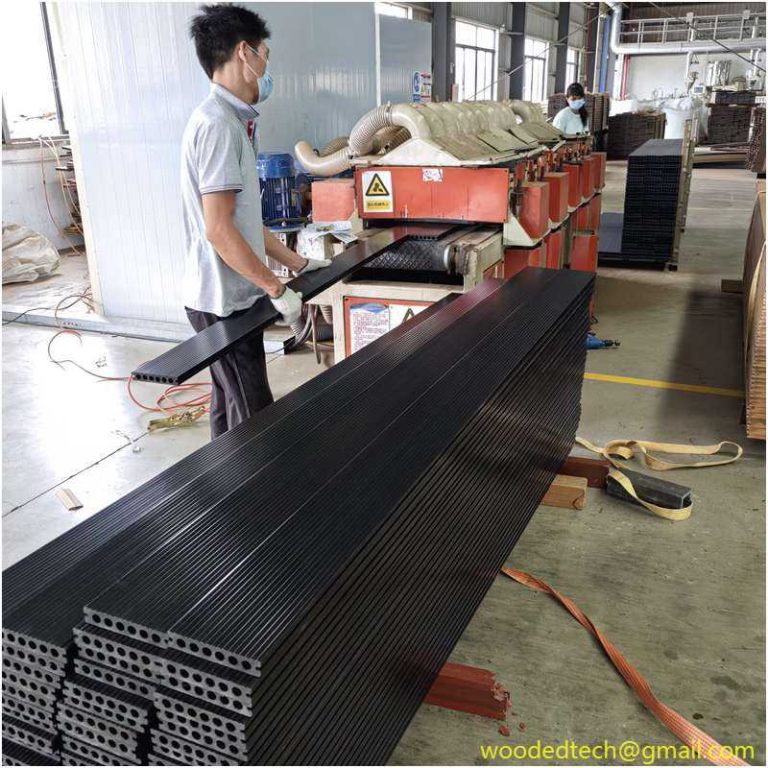
The production of WPC involves the combination of wood fibers and thermoplastic resins. The wood fibers typically come from recycled materials, making WPC an environmentally friendly choice. The thermoplastic resins, which are often polyethylene or polypropylene, provide the structural integrity and weather resistance needed for outdoor use. This process not only maximizes the utility of recycled materials but also minimizes waste, aligning with global sustainability goals.

One of the primary advantages of using WPC for walkway covers is its resistance to environmental factors. Traditional wooden pathways are susceptible to rot, mold, and insect damage, particularly in humid conditions. In contrast, WPC is engineered to resist these issues effectively. The wood fibers are encapsulated in the plastic matrix, preventing moisture from penetrating and causing decay. As a result, WPC pathways can maintain their appearance and structural integrity over time, reducing the need for regular maintenance and replacement.
Furthermore, the slip resistance of WPC is another critical factor contributing to its popularity. Many manufacturers incorporate textured surfaces into their WPC products, which helps to enhance grip and reduce the likelihood of slips and falls. This feature is especially important for public spaces such as parks, schools, and commercial areas where safety is a major concern. Ensuring that pathways are safe for all users, including children and the elderly, is a responsibility that cannot be overlooked in outdoor design.
The versatility of WPC allows for a variety of design options. Available in numerous colors, finishes, and textures, WPC can mimic the look of natural wood without the associated maintenance issues. This aesthetic flexibility means that WPC can be used effectively in a range of settings, from residential gardens to urban landscapes. Designers and architects appreciate the ability to create visually appealing walkways that blend seamlessly with their surroundings while benefitting from the material’s durability.
Another significant consideration is the ease of installation associated with WPC products. Unlike traditional wood, which often requires complex fastening systems and careful alignment, WPC can be installed with relative simplicity. Many products come with interlocking systems or pre-drilled holes that facilitate quick installation. This aspect not only saves time during the construction process but also reduces labor costs, making WPC an economically attractive option for both commercial and residential projects.

In terms of longevity, WPC pathways can offer a lifespan that exceeds that of traditional wood. The inherent properties of the composite material resist fading, splintering, and warping, which are common problems with untreated wood. While the initial cost of WPC may be higher than that of conventional materials, the long-term savings associated with reduced maintenance and replacement costs make it a wise investment.
The production technology behind WPC has also advanced significantly in recent years. Modern manufacturing processes allow for the precise control of material properties, resulting in products that are not only durable but also aesthetically pleasing. Innovations such as co-extrusion have enabled manufacturers to create WPC products with protective outer layers that enhance UV resistance and further improve the lifespan of the material.
Environmental considerations are increasingly influencing material choices in construction. WPC stands out as a sustainable option by utilizing recycled materials in its production. This aligns with the growing demand for eco-friendly products in the building industry, as consumers and businesses alike prioritize sustainability in their purchasing decisions. By choosing WPC for walkway covers, project developers can contribute to a circular economy while also delivering high-quality pathways.
The application of WPC in outdoor pathways extends beyond residential use. Many municipalities are recognizing the benefits of WPC for public infrastructure. Parks, recreational areas, and boardwalks are increasingly being constructed with WPC to ensure that these spaces remain safe and inviting for the community. The durability and low maintenance of WPC make it an ideal choice for high-traffic areas that require reliable performance over time.
The future of walkway covers appears bright with the continued development of WPC technology. As manufacturers explore new formulations and applications, the potential for improved performance and sustainability will only increase. This will likely lead to broader adoption of WPC in various sectors, including commercial, residential, and municipal projects.
In the realm of outdoor construction, WPC stands out as a superior choice for walkway covers. Its combination of aesthetic appeal, durability, and environmental sustainability makes it a material that meets the needs of modern consumers and builders alike. As the demand for safe and durable pathways grows, WPC will undoubtedly play a critical role in shaping the future of outdoor spaces.