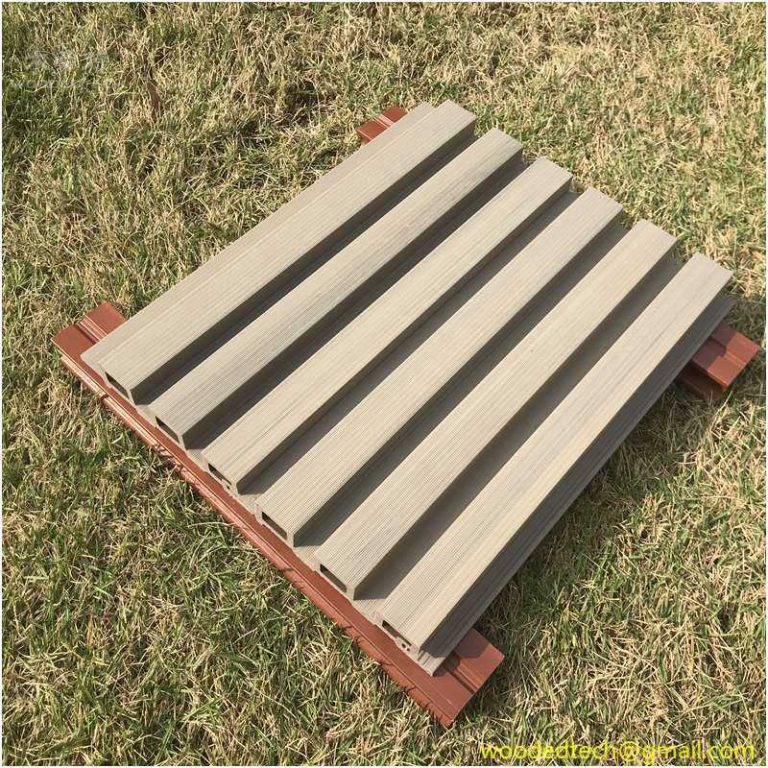
复合聚合物木凉棚防水等级,提供可靠的全天候保护
近年来,户外建筑行业出现了向使用复合材料,特别是木塑复合材料(或称 WPC)的重大转变。这一趋势主要是由人们对可持续和耐用的户外建筑的需求所推动的。木塑复合材料最受欢迎的应用之一是建造凉棚,这种凉棚可以作为...
In recent years, the outdoor construction industry has seen a significant shift towards the use of composite materials, particularly wood plastic composites, or WPC. This trend is largely driven by the desire for sustainable and durable outdoor structures. One of the most popular applications of WPC is in the construction of pergolas, which serve as stylish and functional outdoor spaces. A key consideration for consumers when choosing a pergola is its waterproof rating, which is crucial for ensuring reliable protection against various weather conditions.

Global production capacity for composite materials, especially WPC, has been evolving rapidly. Many countries, including China, have emerged as major players in this market, contributing significantly to the global supply chain. China’s outdoor WPC factories have ramped up production to meet increasing demand from both domestic and international markets. This has led to a diversification of product offerings and improved manufacturing techniques, enabling the production of high-quality pergolas that can withstand the elements.
The waterproof rating of WPC pergolas is a vital aspect to consider when assessing their durability. Unlike traditional wood, which can warp, crack, or rot when exposed to moisture, WPC is engineered to resist such damage. This is primarily due to its unique composition, which combines wood fibers with polyethylene or polypropylene. The result is a material that mimics the appearance of wood while providing enhanced durability and low maintenance. When properly manufactured, WPC pergolas can achieve high waterproof ratings, making them suitable for a variety of climates, including areas with heavy rainfall or high humidity.
The production capacity for WPC pergolas varies around the globe, with certain regions specializing in specific aspects of the manufacturing process. In China, for instance, numerous factories are equipped with advanced technologies that enable the production of high-quality WPC products at a large scale. These factories often focus on optimizing their production lines for efficiency, allowing them to meet the growing demand for outdoor structures that offer both aesthetic appeal and functional performance.

In contrast, other countries may have smaller production capacities but excel in niche markets or specific product lines. For example, some European manufacturers concentrate on eco-friendly production methods and sustainable sourcing of materials. This focus on sustainability resonates with consumers who are increasingly concerned about the environmental impact of their purchases. As a result, these manufacturers may adopt practices that reduce waste and energy consumption, enhancing their overall product appeal.
The waterproof performance of WPC pergolas is further influenced by the quality of the raw materials used in production. High-quality additives and advanced manufacturing processes can significantly enhance the material’s ability to resist moisture. Factories that prioritize research and development can stay ahead of the competition by innovating new formulations that improve the waterproof rating and overall performance of their products. This commitment to quality not only supports customer satisfaction but also fosters brand loyalty in an increasingly competitive market.
In addition to manufacturing capabilities, the logistics of production and distribution play a critical role in the global capacity landscape. Efficient supply chains are essential for ensuring that WPC products can be delivered to markets around the world in a timely manner. China’s robust infrastructure and extensive shipping networks allow for efficient exportation of WPC pergolas and other outdoor products. This logistical advantage positions Chinese manufacturers favorably in the global market, enabling them to capitalize on the increasing demand for high-quality outdoor structures.
The growing popularity of outdoor living spaces has also influenced consumer preferences regarding design and functionality. Modern consumers are looking for versatile solutions that can enhance their outdoor experiences. Pergolas made from WPC not only provide shade and shelter but can also be integrated with additional features such as lighting, privacy screens, and even climbing plants. This adaptability has led to an increase in the customization options available to consumers, allowing them to create unique outdoor environments that reflect their personal style.
Moreover, the emphasis on aesthetics does not overshadow the importance of functionality. Consumers expect that their outdoor structures will withstand harsh weather conditions while maintaining their visual appeal. WPC pergolas are designed with this in mind, offering a waterproof rating that assures consumers of their longevity and durability. This combination of beauty and practicality is a key selling point for manufacturers in the competitive outdoor living market.
As the global market for outdoor structures continues to grow, the distribution of production capacity will likely evolve. Emerging markets may begin to develop their own manufacturing capabilities, creating a more decentralized industry. This could lead to increased competition and innovation as manufacturers strive to meet the diverse needs of consumers around the world. In this dynamic landscape, companies that prioritize quality, sustainability, and customer satisfaction will be well-positioned for success.
The outdoor WPC market represents a significant opportunity for manufacturers committed to delivering high-quality products that meet the demands of modern consumers. As the industry matures, the focus on waterproof ratings and all-weather protection will remain paramount. This focus will drive innovation and improvements in manufacturing practices, ensuring that WPC pergolas continue to offer reliable performance and aesthetic value for years to come. The future of outdoor living spaces will undoubtedly be shaped by advancements in material science and production techniques, making it an exciting time for both manufacturers and consumers alike.