English
  Español
  Français
  Português
  Deutsch
  Italiano
  Русский
  العربية
  简体中文
简体中文  香港中文
香港中文  한국어
한국어  日本語
日本語  Türkçe
  Nederlands
  Bahasa Indonesia
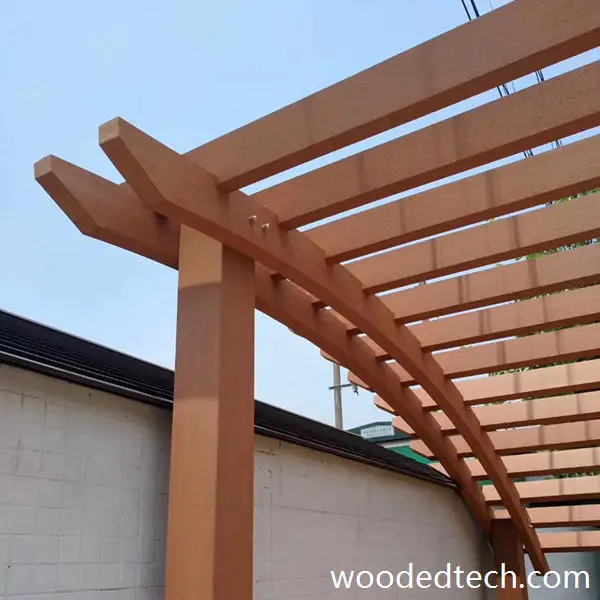
 Walkway cover wood polymer composite for protecting your outdoor pathways from the elements
Wood Polymer Composite (WPC) has emerged as an innovative solution for outdoor applications, particularly in constructing walkway covers designed to protect pathways from various environmental elements. This composite material combines the desirable properties of wood and plastic, making it an ideal choice for outdoor settings where durability and aesthetics are crucial. One of the most…
Wood Polymer Composite (WPC) has emerged as an innovative solution for outdoor applications, particularly in constructing walkway covers designed to protect pathways from various environmental elements. This composite material combines the desirable properties of wood and plastic, making it an ideal choice for outdoor settings where durability and aesthetics are crucial.
One of the most significant advantages of WPC is its ability to resist moisture. Traditional wood materials are prone to rot, decay, and warping when exposed to rain, snow, or high humidity. In contrast, WPC is engineered to withstand these conditions, providing a long-lasting surface that maintains its integrity over time. This moisture resistance is achieved through the incorporation of polymer materials, which create a protective barrier that repels water. As a result, walkway covers made from WPC can effectively shield pathways from the damaging effects of weather, ensuring a safer and more durable surface for pedestrians.
Another critical aspect of WPC technology lies in its resistance to UV radiation. Outdoor structures are constantly exposed to sunlight, which can cause fading, discoloration, and degradation of materials over time. WPC is engineered with additives that enhance its UV resistance, allowing walkway covers to maintain their original color and appearance even after prolonged exposure to sunlight. This characteristic not only enhances the visual appeal of outdoor pathways but also minimizes the need for frequent maintenance and replacement.

The durability of WPC extends beyond moisture and UV resistance. The material is also engineered to withstand the rigors of daily foot traffic and other external stresses. Unlike traditional wood, which can splinter, crack, or become brittle, WPC is designed to endure heavy loads and impacts, making it suitable for various applications, including residential walkways, commercial pathways, and recreational areas. The structural integrity of WPC ensures that it remains safe and functional, providing a reliable surface for users in diverse conditions.
From a production technology perspective, the manufacturing of WPC involves a complex process that blends wood fibers and thermoplastic materials. The wood fibers used in WPC can derive from various sources, including recycled wood waste, which contributes to the sustainability of the product. This eco-friendly aspect of WPC production aligns with the growing demand for environmentally conscious materials in construction and landscaping.
The blending process begins with the careful selection and preparation of raw materials. Wood fibers are dried and processed to achieve the desired particle size, which is crucial for ensuring uniformity in the final product. Meanwhile, thermoplastics, such as polyethylene or polypropylene, are chosen based on their compatibility with wood fibers and their specific properties, such as flexibility and strength. The selected materials are then mixed in precise proportions to create a homogenous composite material.
Once the WPC blend is prepared, it is subjected to various shaping processes, including extrusion and molding. During extrusion, the composite material is heated and forced through a die to create continuous profiles or planks. This method allows for the production of walkway covers in various shapes and sizes, catering to different design preferences and installation requirements. Molding techniques can also be employed to create intricate designs and textures that mimic the appearance of natural wood, enhancing the aesthetic appeal of outdoor pathways.

The versatility of WPC extends to its finish options as well. Walkway covers can be treated with coatings or textures to improve slip resistance, further enhancing safety for users. Additionally, WPC can be manufactured in a wide range of colors and finishes, providing homeowners, architects, and landscapers with abundant choices to match their design vision. This adaptability makes WPC an attractive option for various outdoor projects, from residential homes to public parks and commercial spaces.
In terms of maintenance, WPC walkway covers offer a significant advantage over traditional wood. They require minimal upkeep, as they do not need regular sealing, staining, or painting to maintain their appearance and performance. Cleaning is straightforward, typically involving a simple wash with soap and water to remove dirt and debris. This ease of maintenance not only saves time and effort for property owners but also reduces long-term costs associated with upkeep.
The increasing popularity of WPC for outdoor pathways reflects a broader trend toward sustainable building materials. As environmental awareness continues to grow, more consumers and builders are seeking alternatives to traditional materials that offer both performance and sustainability. WPC fits this trend perfectly, combining the natural beauty of wood with the durability and low maintenance of plastic.
The application of WPC in walkway covers not only enhances the functionality and aesthetics of outdoor spaces but also represents a significant advancement in material science and technology. As the demand for innovative and sustainable materials continues to rise, WPC stands out as a practical and forward-thinking choice for protecting outdoor pathways from the elements. This modern composite material not only meets the challenges posed by nature but also aligns with the values of sustainability and efficiency that are increasingly important in today’s construction industry.