English
  Español
  Français
  Português
  Deutsch
  Italiano
  Русский
  العربية
  简体中文
简体中文  香港中文
香港中文  한국어
한국어  日本語
日本語  Türkçe
  Nederlands
  Bahasa Indonesia
 Stylish Composite Vertical Cladding for a Contemporary Look
Stylish Composite Vertical Cladding for a Contemporary Look In recent years, the architectural landscape has witnessed a significant transformation, with a growing emphasis on contemporary aesthetics and sustainable building practices. One of the standout features that have emerged in this evolution is composite vertical cladding. This innovative material not only enhances the visual appeal of…
Stylish Composite Vertical Cladding for a Contemporary Look
In recent years, the architectural landscape has witnessed a significant transformation, with a growing emphasis on contemporary aesthetics and sustainable building practices. One of the standout features that have emerged in this evolution is composite vertical cladding. This innovative material not only enhances the visual appeal of buildings but also addresses various functional aspects such as durability, insulation, and maintenance. As we explore the global production capacity distribution of composite vertical cladding, we can gain insights into how this trend is shaping the construction industry.
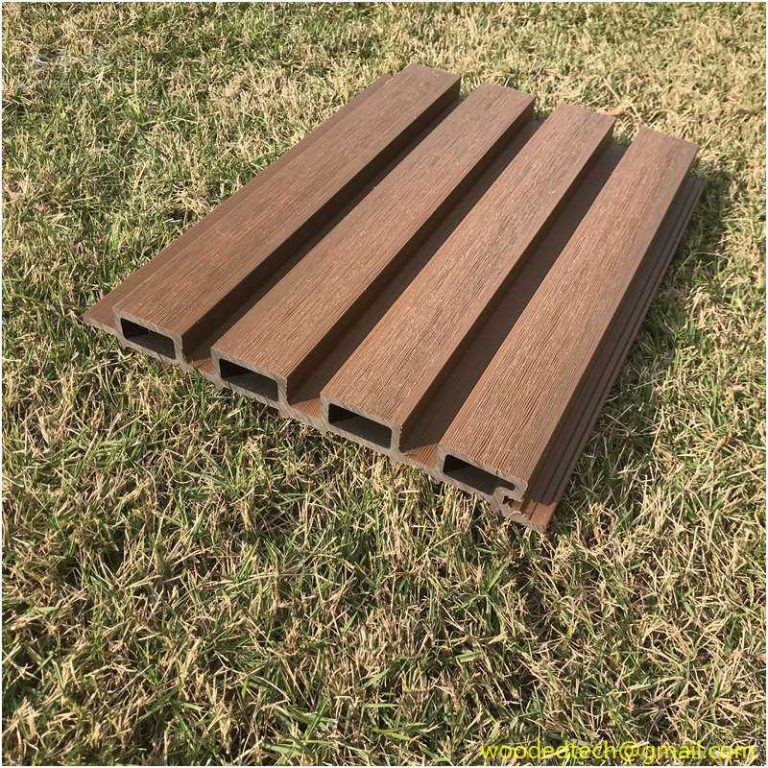
Composite vertical cladding refers to the use of engineered materials, often a combination of wood fibers, plastic, and other additives, to create panels that are used to cover the exterior of buildings. These panels can be arranged vertically, which lends a modern and sleek look to any structure. The appeal of composite vertical cladding lies in its versatility, as it can mimic the appearance of natural wood while offering greater durability and resistance to environmental factors.

The global production capacity of composite materials has expanded significantly in recent years. This expansion is largely driven by the increasing demand for sustainable building materials, owing to a growing awareness of environmental issues and the need for energy-efficient construction practices. Regions such as North America, Europe, and Asia-Pacific have emerged as key players in the production of composite materials, each contributing uniquely to the global market.
North America has established itself as a leader in the development of composite materials, particularly in the construction sector. The region boasts advanced manufacturing technologies and a well-established supply chain, enabling the production of high-quality cladding solutions. Companies in the United States and Canada are investing heavily in research and development to create innovative products that meet the evolving needs of architects and builders. This focus on innovation has resulted in the introduction of fire-resistant cladding options and materials that offer enhanced thermal insulation properties.
In Europe, the production of composite vertical cladding has been significantly influenced by stringent environmental regulations. European countries are at the forefront of adopting sustainable building practices, which include the use of eco-friendly materials. This has led to an increase in the production capacity of composite cladding that is not only aesthetically pleasing but also environmentally responsible. Manufacturers in this region are increasingly sourcing recycled materials and employing sustainable production processes to minimize their carbon footprint. As a result, European composite cladding products are often viewed as premium offerings in the global market.
The Asia-Pacific region is witnessing rapid growth in the production of composite vertical cladding, driven by urbanization and infrastructural development. Countries such as China and India are experiencing increased demand for modern building materials as they continue to expand their urban landscapes. The growth of the middle class in these countries has led to a rise in demand for high-quality residential and commercial buildings, which in turn fuels the need for stylish and durable cladding solutions. Manufacturers in this region are leveraging local resources and labor to produce composite materials at competitive prices, making their products attractive to both domestic and international markets.

Despite the promising growth in production capacity, the global composite vertical cladding market faces several challenges. One of the primary concerns is the perception of composite materials regarding their longevity and performance. While advancements in technology have addressed many of these concerns, potential buyers may still be hesitant to choose composite options over traditional materials like natural wood or stone. Manufacturers must continue to educate consumers on the benefits of composite cladding, highlighting its durability, low maintenance requirements, and resistance to rot and insects.
Another challenge is the competition from alternative cladding materials. While composite vertical cladding offers a range of advantages, other materials such as fiber cement, vinyl, and metal cladding also compete for market share. Each of these materials has its unique selling points, and architects may opt for them based on specific project requirements. To remain competitive, manufacturers of composite cladding must continually innovate and enhance the performance characteristics of their products while also focusing on design aesthetics.
Sustainability is an increasingly important factor driving the production and distribution of composite vertical cladding. As consumers and builders alike become more environmentally conscious, the demand for materials that minimize environmental impact is growing. Composite materials that incorporate recycled content or are produced through sustainable practices are likely to gain traction in the market. Companies that prioritize sustainability in their production processes are not only responding to consumer demands but also positioning themselves as leaders in an industry that is moving towards greener practices.
In conclusion, the global production capacity distribution of stylish composite vertical cladding is a reflection of the architectural industry’s evolving standards. With an emphasis on aesthetics, durability, and sustainability, composite cladding is becoming a preferred choice for modern construction projects. As North America, Europe, and Asia-Pacific continue to expand their production capabilities, the market for this innovative material is expected to grow. However, overcoming challenges related to consumer perception, competition, and sustainability will be essential for manufacturers to maintain their position in this dynamic landscape. Through continuous innovation and a commitment to sustainable practices, the composite vertical cladding industry is poised for a bright future, shaping contemporary architecture for years to come.