English
  Español
  Français
  Português
  Deutsch
  Italiano
  Русский
  العربية
  简体中文
简体中文  香港中文
香港中文  한국어
한국어  日本語
日本語  Türkçe
  Nederlands
  Bahasa Indonesia
 Shade structure plastic composite UV protection for safe and comfortable outdoor areas
As outdoor spaces become increasingly important in our daily lives, the demand for durable and safe materials for these environments has risen significantly. Among the various materials available, wood plastic composites, or WPCs, have emerged as a popular choice for shade structures due to their excellent performance characteristics, particularly in terms of UV protection. These…
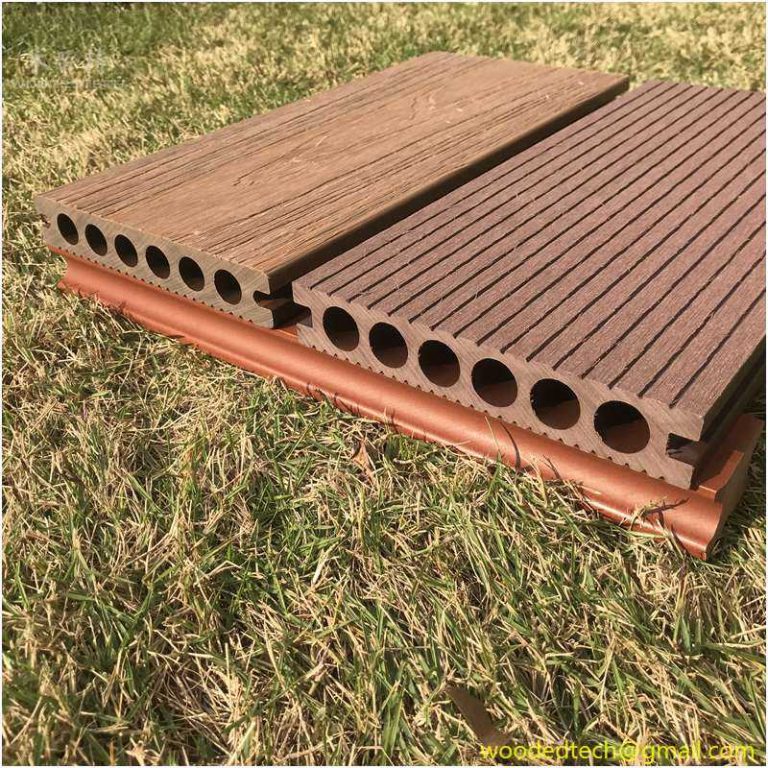
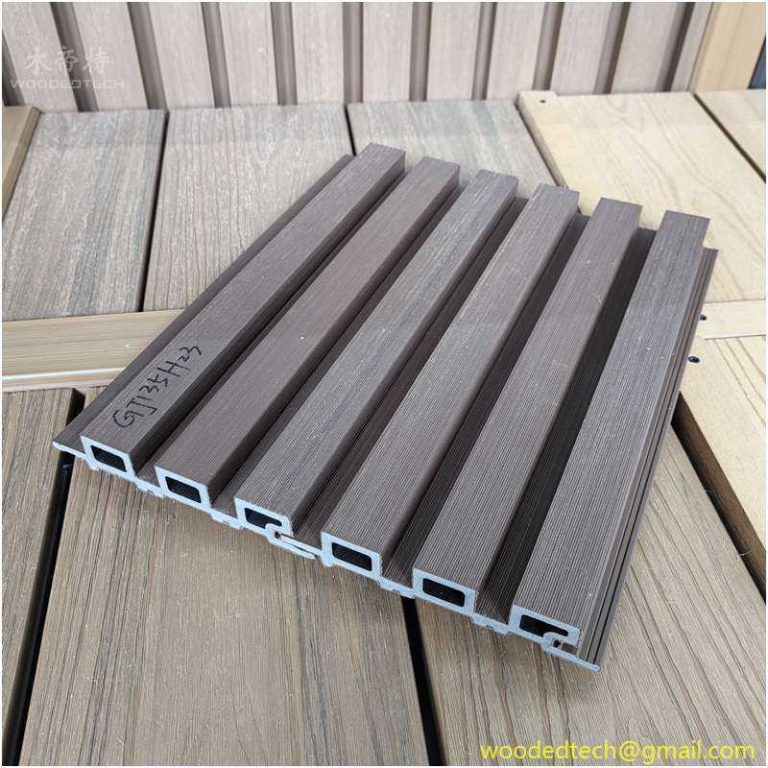
As outdoor spaces become increasingly important in our daily lives, the demand for durable and safe materials for these environments has risen significantly. Among the various materials available, wood plastic composites, or WPCs, have emerged as a popular choice for shade structures due to their excellent performance characteristics, particularly in terms of UV protection. These composites combine the natural aesthetic of wood with the resilience of plastic, creating a versatile solution for comfortable outdoor areas.
One of the standout features of WPCs is their inherent resistance to UV radiation. Traditional wood structures can suffer from damage due to prolonged exposure to sunlight, resulting in fading, warping, and cracking. In contrast, WPCs are engineered to withstand the harmful effects of UV rays, ensuring that shade structures maintain their appearance and structural integrity over time. This durability not only enhances the longevity of the outdoor installations but also reduces the need for frequent maintenance and replacements, ultimately resulting in cost savings.
The composition of WPCs plays a crucial role in their performance. These materials are typically made from a blend of recycled wood fibers and high-density polyethylene, which contributes to their strength and durability. The wood fibers provide a natural look and feel, while the plastic component enhances resistance to moisture and environmental stressors. This combination ensures that WPC shade structures remain intact even in harsh weather conditions, making them suitable for various climates.
Another significant benefit of WPCs is their ability to provide a safe and comfortable environment for outdoor activities. The UV protection offered by these materials helps to reduce the risk of skin damage and heat-related illnesses, particularly in sunny regions where exposure to direct sunlight is a concern. By incorporating WPC shade structures into parks, playgrounds, and recreational areas, communities can create safer spaces for children and families to enjoy outdoor activities without the worry of harmful UV exposure.
The aesthetic appeal of WPC shade structures cannot be overlooked. Available in a variety of colors and finishes, these composites can be customized to complement the surrounding landscape and architecture. Whether it is a modern park, a traditional garden, or a commercial outdoor space, WPCs can be designed to fit the desired aesthetic while providing the necessary functionality. This versatility allows landscape architects and designers to create visually appealing environments that enhance the overall experience of outdoor spaces.

Sustainability is another important aspect of WPCs that aligns with the growing trend of eco-friendly construction. As these materials are often made from recycled wood and plastics, they contribute to reducing waste and promoting resource conservation. By choosing WPC for shade structures, builders and developers can support sustainable practices while providing high-quality outdoor solutions. This commitment to sustainability not only appeals to environmentally conscious consumers but also aligns with global efforts to reduce carbon footprints.
The installation of WPC shade structures is typically straightforward, which adds to their appeal for both residential and commercial applications. The lightweight nature of these materials simplifies transportation and handling, while their modular design allows for flexible configurations. Contractors can easily assemble shade structures that meet specific spatial requirements, ensuring maximum coverage and comfort for users. This ease of installation can significantly shorten project timelines, making WPCs an attractive option for those looking to enhance outdoor areas quickly.
In addition to their practical benefits, WPC shade structures can also serve as focal points in outdoor design. With creative architectural elements, these structures can draw attention and create inviting atmospheres. The interplay of light and shadow produced by the design of the shade structure can add depth and interest to outdoor environments, enhancing the overall ambiance. Such features can make public spaces more engaging and encourage community interaction.
As outdoor living spaces continue to gain popularity, the demand for innovative materials that deliver both performance and aesthetics will likely grow. WPCs are well-positioned to meet this demand, offering a combination of durability, safety, and visual appeal. Their exceptional UV protection makes them a reliable choice for creating comfortable outdoor areas where individuals can gather, relax, and enjoy nature.

The development of WPC technology has also led to ongoing improvements in material performance. Research and innovation in this field continue to enhance the properties of wood plastic composites, ensuring that they remain a viable option for future outdoor applications. As manufacturers strive to create even more advanced formulations, the potential for WPCs in outdoor design is vast and promising.
With the rise of outdoor lifestyle trends and a heightened awareness of health and safety, the integration of WPC shade structures into public and private spaces is an investment in the future. By prioritizing both functionality and aesthetics, these materials contribute to the creation of safe, comfortable, and enjoyable outdoor environments. As communities increasingly recognize the importance of well-designed outdoor areas, the role of wood plastic composites will undoubtedly become more significant in shaping the landscapes of tomorrow.