English
 Español
 Français
 Português
 Deutsch
 Italiano
 Русский
 العربية
 简体中文
 香港中文
 한국어
 日本語
 Türkçe
 Nederlands
 Bahasa Indonesia
Maintenance Tips for Colonnade Composite Plastic Timber Structures
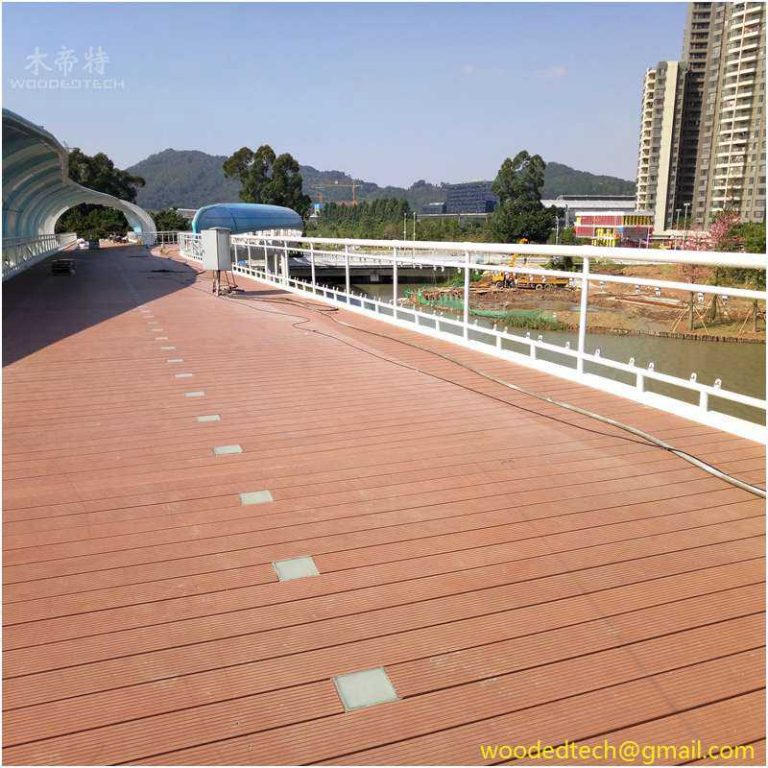
Colonnade composite plastic timber structures have gained significant popularity due to their durability, aesthetic appeal, and low maintenance requirements. As a factory specializing in the production of wood-plastic composites (WPC), it is essential to understand the best practices for maintaining these structures to ensure their longevity and performance. This article provides valuable maintenance tips that…
Colonnade composite plastic timber structures have gained significant popularity due to their durability, aesthetic appeal, and low maintenance requirements. As a factory specializing in the production of wood-plastic composites (WPC), it is essential to understand the best practices for maintaining these structures to ensure their longevity and performance. This article provides valuable maintenance tips that can help keep colonnade composite plastic timber structures in optimal condition.
One of the most important aspects of maintaining composite timber structures is regular cleaning. Over time, dirt, debris, and environmental pollutants can accumulate on the surface, affecting both the appearance and performance of the material. It is advisable to clean the surfaces at least twice a year, or more frequently in areas with heavy foot traffic or exposure to harsh environmental conditions. A simple solution of mild soap and water is often sufficient for most cleaning tasks. For more stubborn stains, a soft-bristle brush can be used to scrub the affected areas gently. Avoid using abrasive cleaners or tools, as they can scratch the surface and diminish the material’s aesthetic appeal.
Another crucial element of maintenance is preventing the growth of mold and mildew. Composite materials are designed to resist moisture, but in certain conditions, mold can still develop. To mitigate this risk, ensure that the structure is adequately ventilated and that water does not pool around it. In humid environments, consider applying a mold and mildew resistant coating to the surface. If mold does appear, it can typically be removed using a mixture of bleach and water, but it is essential to test any cleaning solution on a small, inconspicuous area first to prevent discoloration.
Inspecting the structural integrity of the colonnade is also vital for maintenance. Regular visual inspections can help identify any potential issues such as warping, cracking, or loosening connections. Pay particular attention to areas that experience high levels of stress or movement. If any damage is detected, it is important to address it promptly to prevent further deterioration. Minor cracks can often be repaired with appropriate sealants, while more significant issues may require professional assessment and repair.

When it comes to protecting composite timber from the elements, applying a protective finish can be beneficial. While WPC materials are engineered to withstand weathering, using a UV-resistant sealant can help maintain the color and finish of the surface. This is especially important in areas with intense sun exposure, where UV rays can cause fading over time. It is recommended to reapply the protective finish every few years, depending on the specific product used and the environmental conditions.
Another consideration is the installation of proper drainage systems around the colonnade. Effective drainage is crucial in preventing water accumulation, which can lead to damage over time. Ensure that gutters, downspouts, and drainage pathways are clear and functioning correctly. This helps redirect water away from the structure, minimizing the risk of moisture-related issues.
It is also wise to examine the connections and fasteners used in the construction of the colonnade. Over time, screws, bolts, and other fasteners may loosen due to thermal expansion and contraction. Regularly checking and tightening these components can help maintain the structural integrity of the timber. If any fasteners show signs of corrosion or wear, they should be replaced promptly to ensure safety and stability.
When it comes to the surrounding landscape, care should be taken to minimize damage to the composite structures. Avoid planting trees or shrubs too close to the colonnade, as roots can exert pressure on the foundation and may lead to shifting or cracking. Additionally, be cautious when using lawn maintenance equipment near the structure, as impacts or abrasions can harm the surface finish.
In terms of seasonal maintenance, different precautions may be necessary depending on the climate. In winter, for instance, it is essential to clear away snow and ice accumulation to prevent weight-related stress on the structure. Using a plastic shovel is recommended, as metal shovels can scratch the surface. Similarly, during the fall, regular removal of leaves and debris is essential to prevent moisture retention, which can lead to mold growth.
For those living in areas prone to termites or other wood-boring insects, it is crucial to monitor the structure for signs of infestation. While composite materials are generally resistant to such pests, maintaining a clear area around the base and ensuring there are no wooden structures nearby can help deter potential infestations.

Lastly, educating users and visitors about proper usage is an essential aspect of maintaining colonnade composite structures. Providing guidelines on load limits and appropriate uses can help prevent accidental damage. Encouraging users to report any concerns or damages promptly can also facilitate timely maintenance and repairs.
By following these maintenance tips, owners can ensure that their colonnade composite plastic timber structures remain functional and visually appealing for many years. The combination of regular cleaning, inspections, protective measures, and user education creates a comprehensive maintenance strategy that enhances the durability and performance of these innovative materials. As a factory dedicated to producing high-quality WPC products, understanding and promoting these maintenance practices is essential in delivering value to customers and ensuring their satisfaction.