한국어
한국어  English
  Español
  Français
  Português
  Deutsch
  Italiano
  Русский
  العربية
  简体中文
简体中文  香港中文
香港中文  日本語
日本語  Türkçe
  Nederlands
  Bahasa Indonesia
 현대적인 아웃도어 디자인을 위한 외장 복합 패널 알아보기
현대적인 옥외 디자인을 위한 외장 복합 패널 알아보기 현대적인 옥외 디자인에 있어 소재 선택은 미적 매력과 기능적 성능을 모두 달성하는 데 중요한 역할을 합니다. 외장 복합 패널은 혁신적이고 시각적으로 눈에 띄는 외관을 만들고자 하는 건축가와 디자이너에게 인기 있는 옵션으로 부상했습니다. 이 패널은 ...
현대적인 아웃도어 디자인을 위한 외장 복합 패널 알아보기
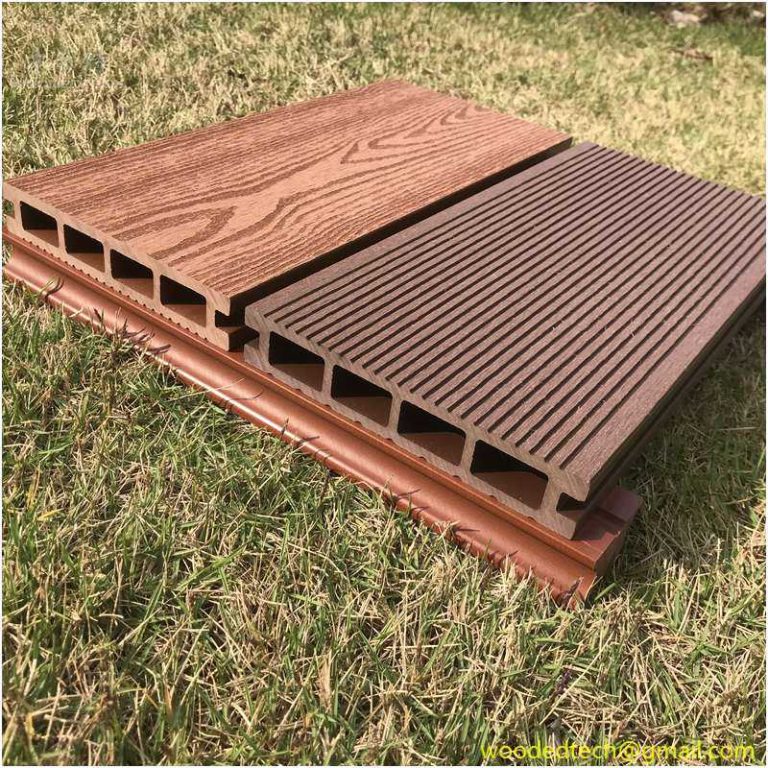
현대적인 야외 디자인을 고려할 때, 재료 선택은 미적 매력과 기능적 성능을 모두 달성하는 데 있어 결정적인 역할을 합니다. 혁신적이고 시각적으로 인상적인 외관을 구현하고자 하는 건축가와 디자이너들 사이에서 외장용 복합 패널이 인기 있는 선택지로 부상했습니다. 이 패널은 다양한 소재의 장점을 결합하도록 설계되어 내구성, 다용도성, 지속 가능성 면에서 뛰어난 성능을 발휘합니다.
복합 패널은 일반적으로 목재 섬유, 수지 및 기타 첨가제를 혼합하여 제작됩니다. 이러한 조합을 통해 제조업체는 천연 목재의 외관을 재현하면서도 악천후에 대한 내구성을 높인 패널을 만들 수 있습니다. 그 결과, 가혹한 기상 조건을 견딜 수 있는 소재가 탄생하여 외부 용도로 사용하기에 탁월한 선택이 됩니다. 강렬한 햇빛, 폭우, 혹한 등 어떤 환경에서도 복합 패널은 시간이 지나도 구조적 안정성과 외관을 유지합니다.
외장용 복합 패널의 가장 큰 장점 중 하나는 유지 관리가 거의 필요 없다는 점입니다. 습기와 해충으로부터 보호하기 위해 자주 스테인 처리나 코팅이 필요한 목재와 같은 기존 자재와 달리, 복합 패널은 변색, 부패, 뒤틀림을 방지하도록 설계되었습니다. 즉, 주택 소유주와 부동산 관리자는 끊임없는 관리 부담 없이 야외 공간의 아름다움을 만끽할 수 있습니다. 비누와 물로 가끔씩만 청소해도 이 패널들은 수년 동안 새것 같은 모습을 유지할 수 있습니다.
복합 패널의 다용도성은 현대 건축에서 그 인기가 높아지는 또 다른 이유입니다. 다양한 색상, 질감, 마감 처리 옵션이 제공되는 이 소재는 다양한 디자인 미학을 구현하는 데 활용될 수 있습니다. 세련되고 현대적인 느낌부터 따뜻하고 소박한 스타일까지, 복합 패널은 다양한 디자인 취향을 충족시킬 수 있습니다. 또한, 독특한 건축적 특징에 맞춰 쉽게 절단하고 성형할 수 있어 건물의 전체적인 외관을 한층 돋보이게 하는 창의적인 디자인이 가능합니다.

오늘날의 건축 현장에서 지속가능성은 필수적인 고려 사항이며, 외장용 복합 패널은 친환경적인 선택지입니다. 많은 제조업체들이 제품에 재활용 소재를 우선적으로 사용함으로써 신규 자원의 수요를 줄이고 있습니다. 이는 환경에 미치는 영향을 최소화할 뿐만 아니라 순환 경제에도 기여합니다. 복합 패널을 선택함으로써 설계자들은 지속 가능한 관행을 지지하면서도 멋진 야외 공간을 연출할 수 있습니다.
복합 패널의 단열 성능은 제품의 매력을 한층 더 높여줍니다. 많은 제품이 에너지 효율을 고려해 설계되어 실내 온도 조절을 돕고 에너지 소비를 줄여줍니다. 이는 냉난방 비용 절감으로 이어지므로, 복합 패널은 주거용 및 상업용 건물 모두에 경제적인 선택이 됩니다. 또한 뛰어난 단열 효과는 더욱 쾌적한 주거 및 업무 환경을 조성하는 데 기여합니다.
복합 패널은 미적 및 기능적 장점 외에도 뛰어난 내화성을 갖추고 있습니다. 이는 현대 건축, 특히 산불이나 기타 화재 위험이 높은 지역에서 매우 중요한 고려 사항입니다. 많은 복합 재료는 엄격한 화재 안전 기준을 충족하도록 설계되어 건물 소유주와 입주자들에게 안심감을 줍니다. 건축가들은 내화성 재료를 설계에 도입함으로써 현대적인 외관을 유지하면서도 더 안전한 건물을 조성할 수 있습니다.
외장용 복합 패널의 또 다른 장점은 해충과 부식에 강하다는 점입니다. 기존 목재 자재는 흰개미나 기타 해충의 피해를 입기 쉬워, 시간이 지남에 따라 심각한 구조적 손상을 초래할 수 있습니다. 복합 패널은 이러한 우려를 해소하여 다양한 해충에 견디는 내구성 있는 대안을 제공합니다. 이러한 내구성은 건축 자재의 수명을 연장시켜, 궁극적으로 건물 소유주에게 더 비용 효율적인 해결책을 제공합니다.

외장용 복합 패널의 시공 과정은 대체로 간단하여 프로젝트 완료 시기를 앞당길 수 있습니다. 많은 제품이 취급이 용이하도록 설계되어 있어 일반적인 공구만으로도 시공이 가능하므로, 인건비를 절감하고 공사 중 발생하는 불편을 최소화할 수 있습니다. 이러한 효율성은 시간이 중요한 변수가 되는 대규모 프로젝트에서 특히 큰 장점이 됩니다.
혁신적인 야외 디자인에 대한 수요가 계속 증가함에 따라, 외장용 복합 패널은 향후 건축 분야에서 중요한 역할을 담당할 것으로 전망됩니다. 미적 유연성, 내구성, 낮은 유지관리 비용, 그리고 지속 가능성을 모두 갖춘 이 패널은 다양한 용도에 이상적인 선택지입니다. 주거용 주택부터 상업용 건물에 이르기까지, 이 패널은 야외 공간을 현대적이고 매력적인 환경으로 탈바꿈시킬 수 있습니다.
공간이 제한적인 경우가 많은 도시 개발 환경에서, 외부용 복합 패널을 활용하면 주어진 공간을 최대한 활용해 야외 생활 공간을 조성할 수 있습니다. 디자이너들은 이러한 자재를 사용하여 도시 생활의 기능성과 즐거움을 높여주는 인상적인 발코니, 테라스, 야외 공간을 조성할 수 있습니다. 색상과 마감재를 맞춤 설정할 수 있는 기능 덕분에 기존 구조물과 자연스럽게 조화를 이루어, 전체적인 디자인을 한층 돋보이게 하는 통일감 있는 외관을 연출할 수 있습니다.
건축가와 디자이너들이 새로운 소재와 기법을 지속적으로 탐구함에 따라, 외장용 복합 패널의 잠재력은 더욱 확대될 것으로 보입니다. 기술의 혁신은 향상된 성능과 다양한 디자인 옵션을 제공하는 더욱 진보된 제품으로 이어질 것입니다. 이러한 지속적인 발전 덕분에 복합 패널은 앞으로도 오랫동안 현대적인 실외 디자인의 선두에 서며, 아름다움과 실용성을 모두 제공할 것입니다.
끊임없이 변화하는 건축 및 야외 디자인 환경에서, 뛰어난 성능과 미적 매력을 겸비한 소재를 도입하는 것은 매우 중요합니다. 외장용 복합 패널은 단순한 유행이 아닙니다. 이는 현대 생활의 요구를 충족시키며, 더욱 지속 가능하고 탄력적인 건축 방식으로의 전환을 상징합니다. 야외 디자인의 미래는 건축 환경의 아름다움을 한층 더 높여주면서도 시간의 시험을 견뎌낼 수 있는 소재에 달려 있음이 분명합니다.