歩道カバー複合木材ポリマーのスリップ防止ソリューションで、公園や学校、交通ゾーンにより安全な歩行路を提供します。

近年、屋外の歩道に対する効果的な防滑ソリューションの需要が著しく高まっています。公園、学校、交通ゾーンなどでは歩行者の往来が多く、耐久性が高く安全な路面が求められます。こうしたニーズに対応する革新的なソリューションのひとつが、一般にWPCと呼ばれる複合木材ポリマー材料の使用です。この素材は...

In recent years, the demand for effective slip-resistant solutions for outdoor walkways has grown significantly. Parks, schools, and transit zones experience high foot traffic and require durable, safe surfaces to accommodate pedestrians. One innovative solution that addresses these needs is the use of composite wood polymer materials, commonly referred to as WPC. This material combines the aesthetic appeal of natural wood with the resilience of synthetic polymers, resulting in a versatile product ideal for walkways.

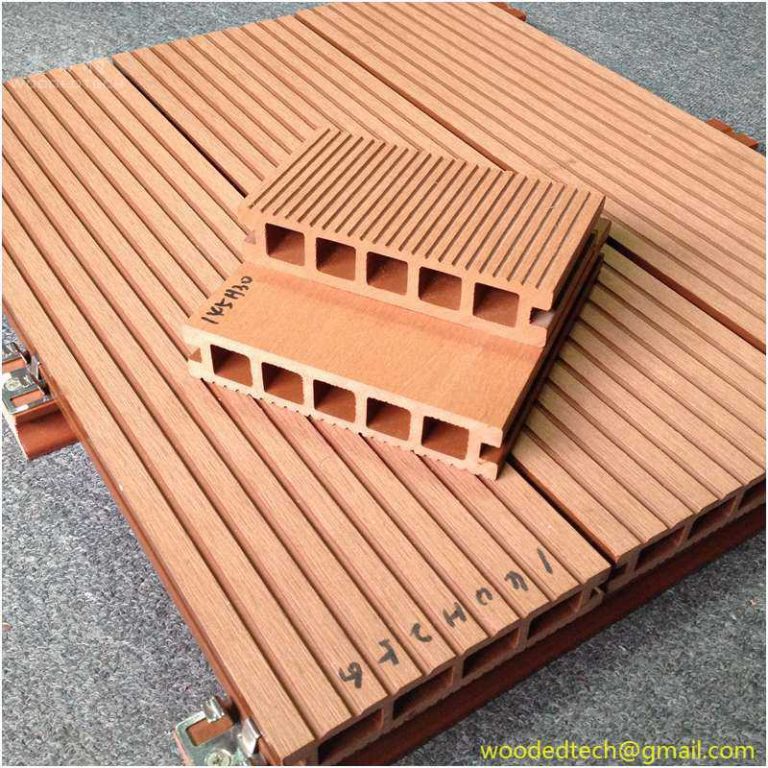
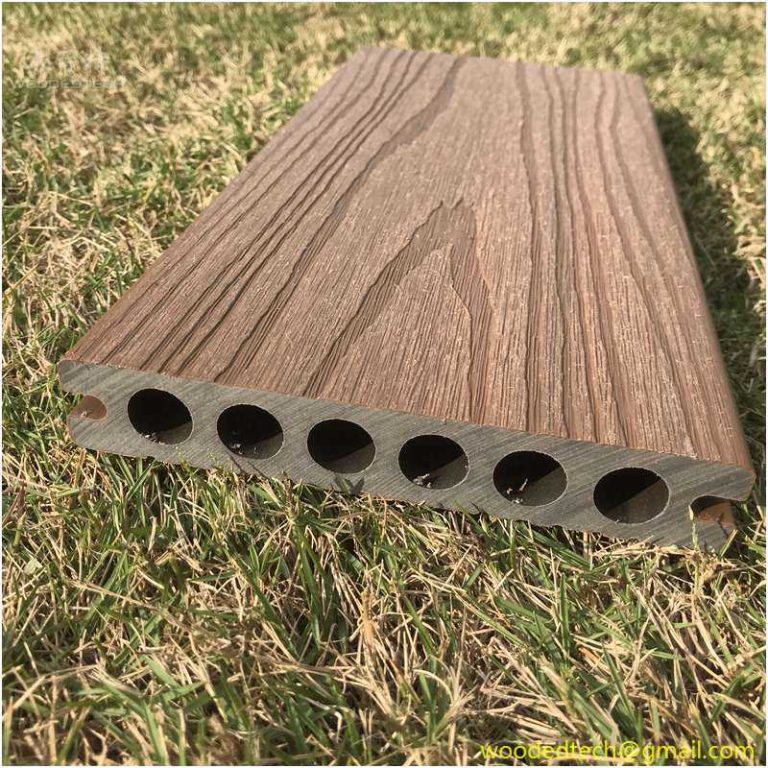
Composite wood polymer is produced through a sophisticated material production technology that involves blending wood fibers with thermoplastics. This process begins with the careful selection of raw materials, which typically include recycled wood fibers and high-density polyethylene or polypropylene. The wood fibers provide a natural look and feel, while the thermoplastics enhance durability and resistance to environmental elements. The combination of these materials creates a product that not only mimics the visual qualities of wood but also offers superior performance characteristics.

One of the primary advantages of WPC in walkway applications is its slip-resistant properties. The surface texture can be engineered to provide optimal grip, reducing the likelihood of slips and falls. This is particularly important in areas where moisture can accumulate, such as near water features in parks or during rainy conditions in school yards. By incorporating specific additives or adjusting the manufacturing process, WPC can achieve varying levels of slip resistance tailored to the specific needs of each application.
Another significant benefit of composite wood polymer materials is their weather resistance. Traditional wood walkways can deteriorate quickly under the influence of moisture, UV radiation, and temperature fluctuations. In contrast, WPC is engineered to withstand these challenges, making it an excellent choice for outdoor environments. The polymer component protects the wood fibers from water absorption, which prevents issues such as warping, cracking, and decay. This durability ensures that the walkway remains safe and visually appealing over time, reducing the frequency of maintenance and replacement.

Sustainability is a vital consideration in today’s material production technologies. WPC is often produced using recycled materials, contributing to a circular economy and reducing waste. The use of reclaimed wood fibers not only decreases the demand for new lumber but also minimizes the environmental impact associated with timber harvesting. Furthermore, the longevity of composite materials means that fewer resources are needed for repairs and replacements, making WPC a sustainable choice for outdoor pathways.

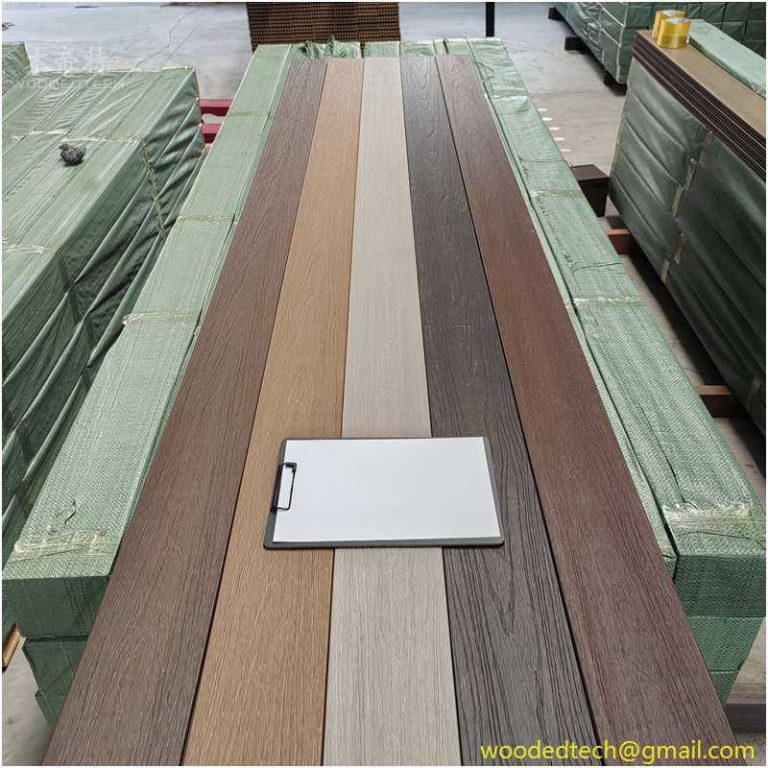
In addition to slip resistance and durability, WPC offers design flexibility that can enhance the aesthetics of public spaces. The material can be manufactured in a variety of colors and textures, allowing architects and planners to create visually appealing walkways that blend seamlessly with their surroundings. Whether it is a rustic look for a nature park or a sleek modern finish for an urban transit zone, WPC can be customized to meet specific design requirements.

Moreover, the installation process for WPC walkways is relatively straightforward, which can lead to reduced labor costs and shorter construction times. The lightweight nature of composite materials simplifies handling and transportation, while interlocking designs or modular systems facilitate quick assembly. This efficiency is particularly beneficial for projects with tight timelines, ensuring that public spaces can be opened to foot traffic sooner.

Another aspect worth mentioning is the maintenance requirements of composite wood polymer walkways. Unlike traditional wood, which may require regular sealing, staining, or painting, WPC surfaces are designed to be low-maintenance. A simple cleaning regimen, typically involving occasional washing with soap and water, is sufficient to keep the walkways looking their best. This ease of maintenance is particularly advantageous for schools and parks, where resources for upkeep may be limited.

Safety is paramount in areas frequented by children and the general public. With increasing awareness of the importance of pedestrian safety, the use of slip-resistant materials in outdoor walkways has become more critical than ever. WPC’s ability to provide a safe, durable, and aesthetically pleasing surface makes it an ideal choice for schools, parks, and transit zones alike.

As urban areas continue to grow and public spaces evolve, innovative solutions like composite wood polymer materials are paving the way for safer, more sustainable walking paths. By addressing the challenges associated with traditional materials, WPC offers a forward-thinking alternative that prioritizes safety, durability, and environmental responsibility. As communities invest in their public infrastructure, the adoption of such advanced materials will play a crucial role in creating safer and more enjoyable outdoor spaces for everyone.

類似の投稿