日本語
日本語  English
  Español
  Français
  Português
  Deutsch
  Italiano
  Русский
  العربية
  简体中文
简体中文  香港中文
香港中文  한국어
한국어  Türkçe
  Nederlands
  Bahasa Indonesia
 格子WPCの木製のフェンスのロジアの木製のプラスチック合成の指定およびインストールガイド
革新的な建築資材の需要は増加の一途をたどっており、その中でも大きな進歩を遂げているのがフェンスです。市場に出回っている様々な選択肢の中でも、ラティス・ウッド・プラスチック・コンポジット(WPC)ウッドフェンスは、美観、耐久性、環境に優しいというユニークな融合により、急速に人気を集めています。この記事では、ラティス・ウッド・プラスチック複合材(WPC)フェンスの仕様についてご紹介します。
The demand for innovative building materials continues to grow, and one area that has seen significant advancements is fencing. Among the various options available on the market, Lattice Wood Plastic Composite (WPC) wood fencing is rapidly gaining popularity due to its unique blend of aesthetics, durability, and eco-friendliness. This article explores the specifications of Lattice WPC wood fencing, its advantages, and provides a comprehensive installation guide for those considering this modern fencing solution.
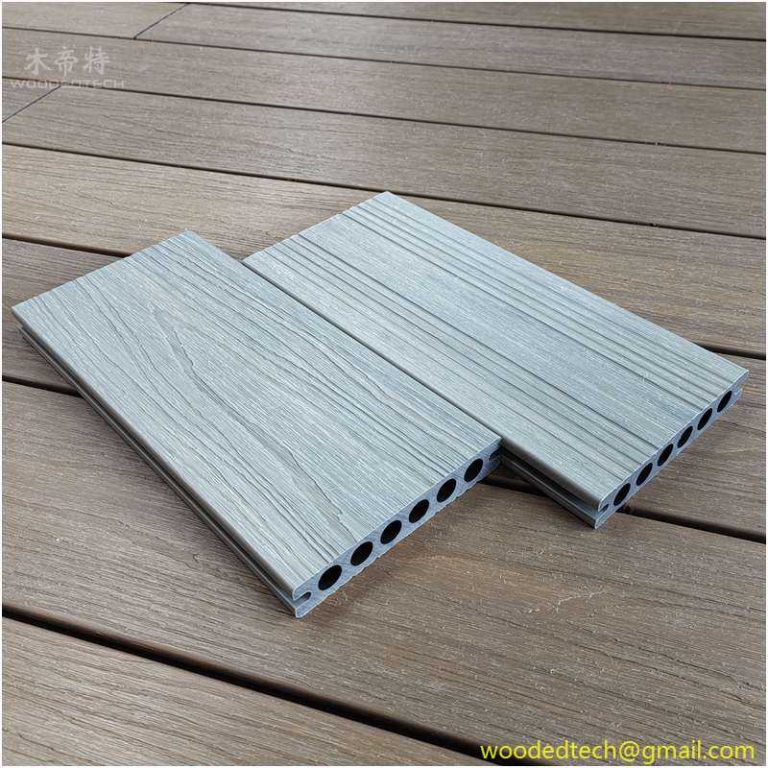
Lattice WPC wood fencing is a composite material made from a combination of wood fibers and recycled plastic. This blend not only enhances its structural integrity but also offers a range of benefits compared to traditional wood fencing. One of the key specifications of Lattice WPC wood fencing is its resistance to moisture, decay, and insects, making it an ideal choice for various weather conditions and environments. Unlike traditional wood, which can warp, splinter, or rot over time, WPC fencing remains stable and retains its appearance with minimal maintenance.

Another notable specification of Lattice WPC wood fencing is its aesthetic versatility. It is available in a variety of colors and textures, allowing homeowners to select a style that complements their property. The lattice design adds an element of elegance, making it suitable for gardens, patios, and outdoor living spaces. The combination of wood and plastic in WPC fencing results in a product that mimics the natural look of wood while providing the additional benefits of plastic, such as easy cleaning and resistance to fading.
From an environmental standpoint, Lattice WPC wood fencing is an eco-friendly option. The materials used in its production are often sourced from recycled products, reducing the demand for new timber and minimizing waste. This sustainable approach appeals to environmentally conscious consumers who are looking to reduce their ecological footprint while enjoying the benefits of a high-quality fencing solution.
Installing Lattice WPC wood fencing requires careful planning and execution to ensure a sturdy and visually appealing result. The first step in the installation process involves gathering the necessary materials and tools. Homeowners will need WPC fencing panels, concrete for setting the posts, a post hole digger, a level, a measuring tape, and screws or fasteners specifically designed for composite materials.
Before beginning the installation, it is essential to plan the layout of the fence. Homeowners should consider the purpose of the fence, whether it is for privacy, decoration, or boundary marking. Mark the desired location using stakes or spray paint to outline where the fence panels will be placed. It is crucial to check local building codes and regulations before proceeding, as there may be restrictions regarding fence height or placement.
Once the layout is confirmed, the next step is to install the fence posts. Begin by digging holes for the posts at regular intervals, typically 6 to 8 feet apart depending on the design and length of the panels. The depth of the holes should be about one-third of the post height to ensure stability. After positioning the posts in the holes, fill them with concrete to secure them in place. It is important to use a level to ensure that each post is vertical before the concrete sets.

After allowing the concrete to cure as per the manufacturer’s instructions, the installation of the WPC panels can commence. Start at one end of the fence and attach the panels to the posts using screws or fasteners. It is advisable to pre-drill holes to avoid splitting the composite material. Ensure that each panel is level and aligned with the previous one for a uniform appearance.
For added strength and stability, consider adding horizontal support rails between the posts. These rails can provide additional anchoring for the panels and enhance the overall durability of the fence. Depending on the design, lattice tops can also be added to the panels for an extra decorative touch.
Maintenance of Lattice WPC wood fencing is minimal compared to traditional wood fencing. Regular cleaning with soap and water is usually sufficient to keep the fence looking its best. Homeowners can use a soft brush or cloth to remove dirt and debris from the surface. Unlike wood, there is no need for staining or sealing, which can save both time and money in the long run.
As the market for composite fencing continues to expand, Lattice WPC wood fencing stands out as a viable and appealing option for homeowners looking to invest in quality fencing solutions. Its blend of durability, aesthetic appeal, and environmental responsibility makes it an attractive choice for various outdoor applications.
Whether for residential backyards, commercial properties, or community spaces, Lattice WPC wood fencing provides a combination of form and function that meets the needs of modern property owners. By following the installation guide and understanding the specifications of this innovative material, individuals can create beautiful and long-lasting fencing solutions that enhance the value and enjoyment of their outdoor spaces.