English
  Español
  Français
  Português
  Deutsch
  Italiano
  Русский
  العربية
  简体中文
简体中文  香港中文
香港中文  한국어
한국어  日本語
日本語  Türkçe
  Nederlands
  Bahasa Indonesia
 How Composite Decking Cleaning Helps Maintain Long Term Appearance and Performance
Composite Decking Cleaning and Long Term Outdoor Performance Global demand for outdoor building materials has shifted towards products that combine visual appeal, durability, and lower maintenance requirements. As an international market research analyst focusing on WPC solutions, it is clear that composite decking has become a preferred choice for residential terraces, commercial outdoor areas, hospitality…
Composite Decking Cleaning and Long Term Outdoor Performance
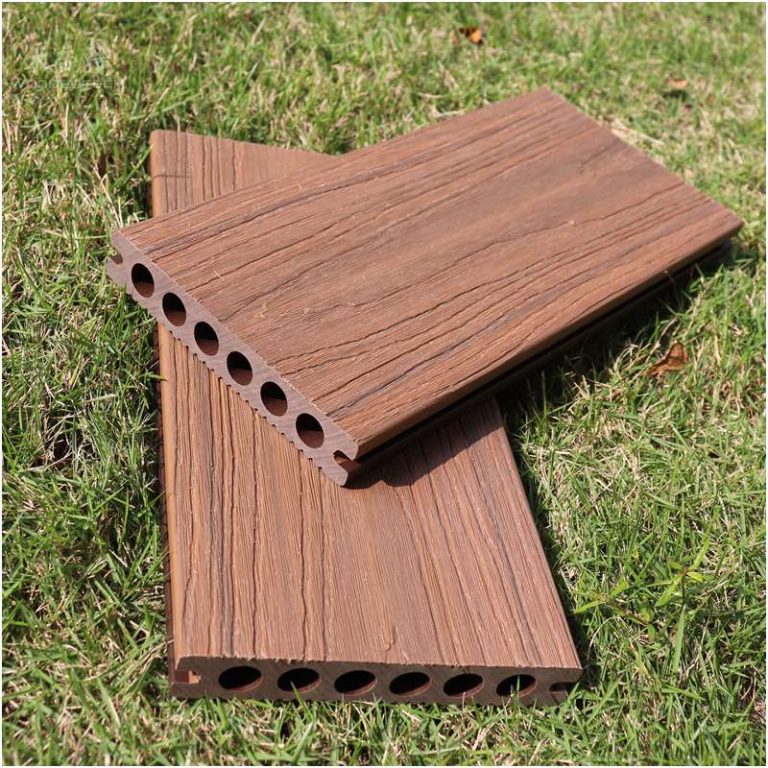
Global demand for outdoor building materials has shifted towards products that combine visual appeal, durability, and lower maintenance requirements. As an international market research analyst focusing on WPC solutions, it is clear that composite decking has become a preferred choice for residential terraces, commercial outdoor areas, hospitality spaces, and landscape developments. However, even advanced composite materials require correct care to preserve their appearance and functional performance. Regular composite decking cleaning helps protect surface quality, reduce the impact of environmental exposure, and extend the service life expected by international buyers.
Modern WPC decking is engineered with wood fibres, polymers, and additives designed to resist moisture, cracking, and colour fading. Despite these advantages, outdoor conditions vary significantly across regions. Coastal environments expose decking to salt residue, humid climates encourage organic growth, and urban locations can introduce dust, pollution, and staining materials. A structured cleaning routine allows property owners and project managers to maintain the original texture and colour of decking boards while reducing avoidable maintenance costs.
Global Market Trends Driving WPC Outdoor Product Growth
The worldwide outdoor living market continues to create opportunities for composite decking, WPC wall cladding, fencing, pergolas, and landscape products. Consumers and construction professionals increasingly prefer sustainable alternatives to traditional timber because of concerns about forest resources, maintenance demands, and long term material stability. WPC products are gaining attention in Europe, North America, the Middle East, and Asia Pacific markets as developers seek reliable solutions for outdoor spaces.
For manufacturers and exporters, product performance is closely connected with after-sales guidance and maintenance education. International customers are not only purchasing decking boards but also seeking complete material solutions that support years of use. Providing clear recommendations for composite decking cleaning, installation methods, and surface protection improves customer confidence and strengthens brand reputation. Future market growth will favour companies that combine manufacturing capability with technical support and application knowledge.
Cleaning Practices That Protect Composite Decking Investment
Effective composite decking cleaning does not require complicated procedures, but consistency is essential. Routine removal of leaves, dirt, and standing moisture helps prevent surface marks and biological buildup. For deeper cleaning, manufacturers generally recommend using suitable cleaning products with soft brushes rather than harsh chemicals or abrasive tools that may damage the finish. Proper care is especially important for high traffic areas such as restaurants, hotels, public walkways, and commercial landscaping projects.
From an engineering perspective, maintenance requirements should be considered during the product selection stage. WPC formula development, surface embossing technology, colour stability testing, and extrusion quality control all influence how well decking performs after years of outdoor exposure. A well designed composite board combined with appropriate cleaning practices can maintain slip resistance, appearance, and structural reliability across different climates.

Future Opportunities in WPC Landscape Applications
The expansion of outdoor renovation projects is creating wider opportunities beyond traditional decking applications. WPC wall cladding is being adopted for modern building exteriors, while composite fencing provides privacy solutions with reduced upkeep compared with timber alternatives. Pergolas and landscape structures made from WPC materials are also becoming more common in residential communities, resorts, and public spaces where appearance and weather resistance are important factors.
International buyers increasingly evaluate suppliers according to technical expertise, production capacity, and customization services. Manufacturers with advanced extrusion technology, precise mould design, reliable packaging systems, and professional export support are better positioned to serve diverse markets. The future of WPC development will depend on continuous improvement in material formulations, environmental performance, and solutions tailored to regional climate conditions.

Quality Control Standards for Long Term Composite Applications
Maintaining product quality from raw materials to finished installation is essential for the global success of composite outdoor products. Raw material inspection, extrusion monitoring, colour consistency checks, and final quality assessments ensure that decking and related WPC products meet international expectations. These processes also reduce performance issues that could affect customer satisfaction after installation.
For landscape engineers, architects, and construction specialists, reliable technical information helps create better outdoor environments. Suppliers that provide installation guidance and maintenance recommendations allow projects to achieve stronger results throughout their lifespan. Composite decking cleaning should therefore be viewed as part of a complete product management strategy rather than a simple after-use task.
Building Sustainable Value Through WPC Innovation
Sustainability remains a major factor influencing future demand for outdoor building materials. WPC products support this trend by combining recycled materials, reduced timber dependency, and extended service periods. As global regulations and consumer preferences continue to encourage environmentally responsible construction, composite solutions are expected to gain further market share in residential and commercial applications.
Companies that invest in material research, manufacturing efficiency, and customer education will be better prepared for international competition. The connection between innovative WPC production and practical maintenance knowledge, including composite decking cleaning, will help create outdoor products that deliver lasting visual quality and dependable performance across global markets.