English
  Español
  Français
  Português
  Deutsch
  Italiano
  Русский
  العربية
  简体中文
简体中文  香港中文
香港中文  한국어
한국어  日本語
日本語  Türkçe
  Nederlands
  Bahasa Indonesia
 Heavy-Duty Composite Timber Plastic Colonnade: Built to Last
Heavy-Duty Composite Timber Plastic Colonnade: Built to Last The heavy-duty composite timber plastic colonnade represents a significant advancement in construction materials, blending durability and aesthetic appeal. This innovative product is designed to withstand the rigors of weather and time, making it an excellent choice for various architectural applications. As global production capacity for this composite…
Heavy-Duty Composite Timber Plastic Colonnade: Built to Last
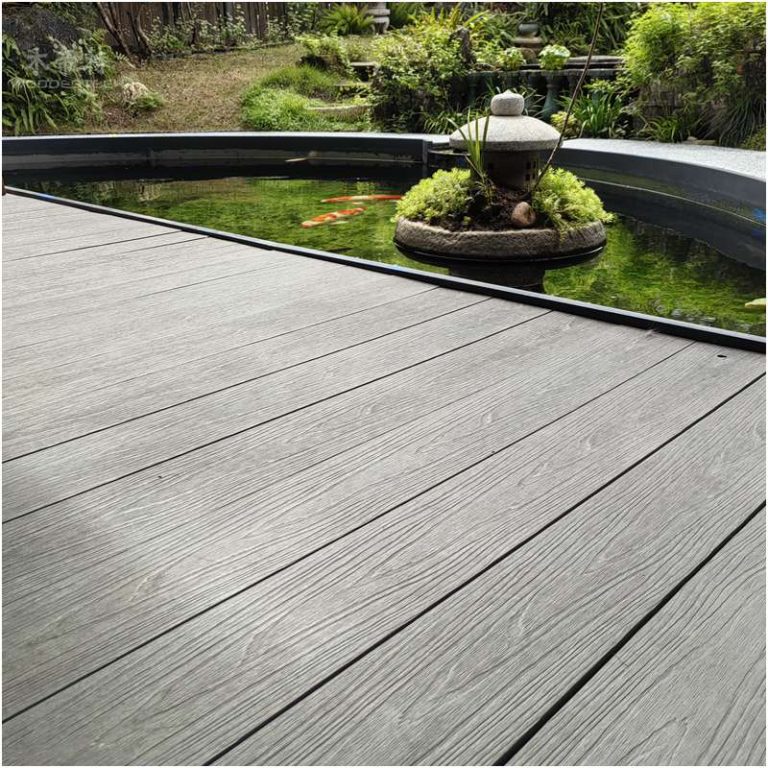
The heavy-duty composite timber plastic colonnade represents a significant advancement in construction materials, blending durability and aesthetic appeal. This innovative product is designed to withstand the rigors of weather and time, making it an excellent choice for various architectural applications. As global production capacity for this composite material increases, it is essential to examine how this impacts the market, innovation, and sustainability.
Composite materials, particularly those combining timber and plastic, have gained traction due to their unique properties. The fusion of recycled plastics with wood fibers creates a product that is not only robust but also resistant to common issues faced by traditional timber, such as rotting, warping, and insect damage. This enhanced durability ensures that structures built with heavy-duty composite colonnades can maintain their integrity and appearance over extended periods, making them a wise investment for both commercial and residential projects.
The global production capacity for composite materials has expanded significantly in recent years. This growth can be attributed to several factors, including increased demand for sustainable building materials, advancements in manufacturing technology, and a growing awareness of environmental issues. As countries around the world shift towards greener alternatives, composite timber plastic colonnades have emerged as an attractive option that aligns with these trends.
Different regions exhibit varying production capacities, influenced by local economic conditions, resource availability, and technological advancements. For instance, North America has historically been a leader in composite material production, benefiting from a well-established timber industry and access to advanced manufacturing techniques. The prevalence of recycling initiatives in this region also allows for the effective sourcing of materials needed for composite production.

In contrast, Asia has witnessed a rapid increase in production capacity, driven by urbanization and the demand for modern infrastructure. Countries like China and India have invested heavily in composite manufacturing, recognizing the potential for these materials in their burgeoning construction markets. The expansion of production facilities in these regions not only caters to domestic needs but also positions them as key players in the global supply chain for composite materials.
Europe is another significant player in the composite timber plastic market. The region’s emphasis on sustainability and environmental responsibility has led to increased investments in eco-friendly construction solutions. European manufacturers are at the forefront of innovation, often developing new formulations and production processes that enhance the performance of composite materials. The collaborative efforts between academia and industry in Europe further drive advancements in this field, ensuring that the region remains competitive on the global stage.
As production capacity increases worldwide, the competitive landscape of the composite timber plastic colonnade market will also evolve. Manufacturers must differentiate their products through quality, innovative features, and sustainability practices. The ability to produce high-performance composites at lower costs will be a critical factor in capturing market share. Companies that invest in research and development can create products that not only meet but exceed performance expectations, setting themselves apart from competitors.
Sustainability is a key consideration in the production of heavy-duty composite materials. The use of recycled plastics in their manufacturing reduces dependence on virgin materials and minimizes waste. Furthermore, the longevity of these products means that they require less frequent replacement, leading to lower overall environmental impact throughout their lifecycle. The emphasis on sustainability resonates with consumers and businesses alike, as stakeholders increasingly prioritize eco-friendly options in their purchasing decisions.

The distribution of global production capacity also highlights the importance of logistics and supply chain management. As different regions specialize in specific aspects of composite production, efficient transportation networks become crucial. Companies must navigate challenges such as tariffs, trade regulations, and fluctuating transportation costs to ensure that their products reach markets in a timely and cost-effective manner. Strategic partnerships with logistics providers can enhance supply chain efficiency, ensuring that manufacturers can respond quickly to changing market demands.
The growing interest in heavy-duty composite timber plastic colonnades extends beyond traditional construction applications. These materials are increasingly used in outdoor spaces, such as parks, walkways, and recreational areas, where durability and resistance to the elements are paramount. The versatility of composite materials allows for creative architectural designs that can enhance the aesthetic appeal of public spaces while ensuring longevity and low maintenance requirements.
In addition to their practical applications, heavy-duty composite colonnades also offer design flexibility. Manufacturers can produce these materials in various colors, textures, and finishes, allowing architects and designers to create customized solutions that meet specific project requirements. This adaptability makes composite materials an attractive choice for both contemporary and traditional architectural styles.
As the market for heavy-duty composite timber plastic colonnades continues to grow, manufacturers must remain vigilant in monitoring trends and consumer preferences. Engaging with customers to understand their needs can lead to the development of innovative products that address emerging challenges in the construction industry. By fostering a culture of collaboration and continuous improvement, companies can establish themselves as leaders in the composite materials market.
The future of heavy-duty composite timber plastic colonnades looks promising, with advancements in production techniques and a growing emphasis on sustainability driving demand. As global production capacity expands and new markets emerge, the potential for innovation and growth within this sector is substantial. By leveraging their strengths and addressing challenges, manufacturers can play a pivotal role in shaping the future of construction materials, contributing to a more sustainable and resilient built environment.