Español
  English
  Français
  Português
  Deutsch
  Italiano
  Русский
  العربية
  简体中文
简体中文  香港中文
香港中文  한국어
한국어  日本語
日本語  Türkçe
  Nederlands
  Bahasa Indonesia
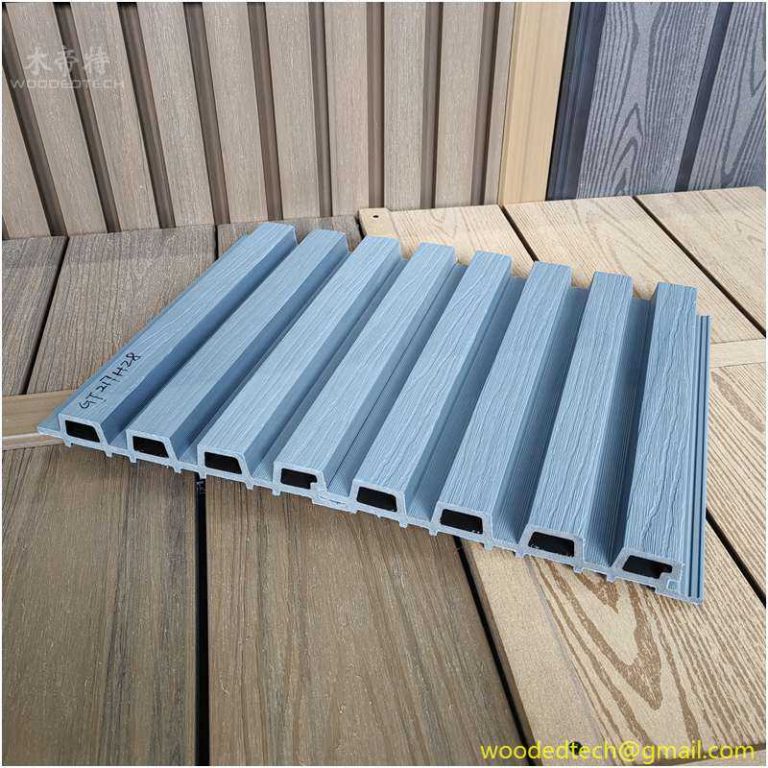
 Celosía de compuesto de madera plástica para acentos decorativos de jardín
El compuesto de plástico y madera, comúnmente conocido como WPC por sus siglas en inglés, ha acaparado una gran atención en el sector de la decoración de exteriores, sobre todo por su aplicación en elementos decorativos para jardines, como las estructuras de celosía. La combinación de plástico y fibras de madera da como resultado un material versátil que reúne las mejores cualidades de ambos componentes y mitiga algunos de sus inconvenientes inherentes. Este...
El compuesto de madera y plástico, conocido comúnmente como WPC, ha suscitado un gran interés en el sector de la decoración de exteriores, especialmente por su aplicación en elementos decorativos de jardín, como las estructuras de celosía. La combinación de plástico y fibras de madera da como resultado un material versátil que reúne las mejores cualidades de ambos componentes, al tiempo que mitiga algunos de sus inconvenientes inherentes. Esta mezcla única no solo realza el atractivo estético de los espacios exteriores, sino que también contribuye a la sostenibilidad medioambiental y a la durabilidad.
Una de las características más destacadas del compuesto de madera y plástico (WPC) es su extraordinaria versatilidad. Este material puede moldearse en diversas formas y tamaños, lo que lo convierte en la opción ideal para crear estructuras decorativas enrejadas que cumplen múltiples funciones en un jardín. Ya sea para servir de soporte a plantas trepadoras, proporcionar intimidad o, simplemente, realzar el atractivo visual general de un espacio exterior, las celosías de WPC pueden personalizarse para adaptarse a cualquier concepto de diseño. La posibilidad de fabricar paneles de celosía en diferentes dimensiones y estilos permite a los propietarios y paisajistas crear elementos decorativos únicos para el jardín que reflejen sus gustos y preferencias personales.
Las cualidades estéticas del WPC también son dignas de mención. El material está disponible en una amplia gama de colores y acabados, imitando el aspecto natural de la madera a la vez que ofrece ventajas adicionales. A diferencia de la madera tradicional, que puede requerir un mantenimiento y un tratamiento regulares para conservar su aspecto, el compuesto de madera y plástico (WPC) conserva su color y textura con el paso del tiempo. Esta resistencia a la decoloración y a la intemperie hace que los elementos decorativos de jardín fabricados con WPC mantengan su belleza y funcionalidad durante años, incluso en condiciones exteriores adversas. Los propietarios pueden disfrutar de la calidez y el encanto de las texturas similares a la madera sin el mantenimiento que estas conllevan, lo que convierte al WPC en una opción atractiva para el paisajismo moderno.

En cuanto al impacto medioambiental, el WPC es un material que destaca. A menudo está compuesto por plásticos reciclados y fibras de madera recuperadas, lo que lo convierte en una opción respetuosa con el medio ambiente para los elementos decorativos del jardín. Al utilizar materiales que, de otro modo, acabarían en los vertederos, el compuesto de madera y plástico (WPC) contribuye a los esfuerzos de sostenibilidad en el sector manufacturero. Además, la producción de WPC suele requerir menos energía que la de los productos de madera tradicionales, lo que reduce aún más su huella de carbono. Los propietarios que dan prioridad a la responsabilidad medioambiental a la hora de elegir elementos para su jardín pueden estar seguros de que optar por celosías de WPC contribuye positivamente a la conservación del medio ambiente.
La durabilidad es otra ventaja significativa del compuesto de madera y plástico (WPC). Los elementos decorativos de jardín fabricados con WPC son resistentes a los problemas habituales del exterior, como la humedad, la putrefacción y las plagas de insectos. A diferencia de la madera natural, que puede deformarse y deteriorarse con el tiempo debido a la exposición a los elementos, el WPC mantiene su integridad estructural y su aspecto. Esta resistencia lo hace adecuado para diversos climas, desde regiones costeras húmedas hasta entornos secos y áridos. Los propietarios pueden invertir en celosías de WPC sin preocuparse por sustituciones o reparaciones frecuentes, lo que les permite ahorrar tiempo y recursos a largo plazo.
Además de sus ventajas prácticas, las celosías de WPC ofrecen una oportunidad para dar rienda suelta a la creatividad en el diseño de jardines. La ligereza del compuesto de madera y plástico facilita su instalación, lo que permite a los aficionados al bricolaje llevar a cabo proyectos sin necesidad de ayuda profesional. Los jardineros pueden explorar diversas configuraciones, como enrejados, mamparas o paneles decorativos, para crear un refugio al aire libre a su medida. La posibilidad de incorporar iluminación u otros elementos decorativos en la celosía realza aún más su encanto, transformando un jardín corriente en un refugio cautivador.
El uso de las celosías de WPC va más allá de la mera decoración; también puede cumplir funciones prácticas en el jardín. Por ejemplo, permiten crear zonas específicas para determinadas plantas o flores, lo que ayuda a organizar el espacio de forma eficaz. Los jardineros pueden utilizar estructuras de celosía para sostener plantas trepadoras, como las enredaderas, que aportan interés vertical y profundidad al paisaje. Además, las celosías pueden emplearse para crear pantallas de privacidad o barreras acústicas, lo que permite a los propietarios disfrutar de sus espacios al aire libre con una mayor sensación de intimidad respecto a las propiedades vecinas o las calles concurridas.

La larga vida útil de las celosías de compuesto de madera y plástico garantiza que sigan siendo una inversión que merece la pena para cualquier aficionado a la jardinería. A diferencia de los materiales tradicionales, que pueden requerir una sustitución frecuente debido al desgaste, la robustez del WPC le permite resistir el paso del tiempo. Esta durabilidad se traduce no solo en un ahorro de costes, sino también en la satisfacción de saber que los elementos decorativos del jardín seguirán realzando el paisaje durante muchos años.
A medida que sigue creciendo la demanda de productos respetuosos con el medio ambiente, es probable que aumente la popularidad de las celosías de compuesto de madera y plástico (WPC). Los propietarios de viviendas y los paisajistas buscan cada vez más materiales que se ajusten a sus valores en materia de sostenibilidad y respeto al medio ambiente. El WPC cumple estos criterios y, al mismo tiempo, ofrece una opción atractiva y funcional para la decoración de exteriores.
La riqueza de este material, en cuanto a su versatilidad, atractivo estético, beneficios medioambientales y durabilidad, hace que las celosías de compuesto de madera y plástico (WPC) sean una opción excepcional para los elementos decorativos de jardín. Desde realzar la belleza de los espacios exteriores hasta favorecer el crecimiento de las plantas y proporcionar privacidad, las celosías de WPC ofrecen una amplia gama de ventajas. Su ligereza facilita su instalación, lo que permite a los propietarios embarcarse en proyectos creativos de paisajismo con facilidad. La combinación de plástico y fibras de madera da como resultado un material que no solo tiene un aspecto atractivo, sino que también resiste el paso del tiempo, lo que lo convierte en una inversión que merece la pena para cualquier aficionado a la jardinería que desee mejorar su experiencia al aire libre.