English
  Español
  Français
  Português
  Deutsch
  Italiano
  Русский
  العربية
  简体中文
简体中文  香港中文
香港中文  한국어
한국어  日本語
日本語  Türkçe
  Nederlands
  Bahasa Indonesia
 Calculating composite decking estimated cost for budgeting
Calculating composite decking estimated cost for budgeting When planning a home improvement project, particularly one as significant as installing a new deck, understanding the costs associated with materials is crucial for effective budgeting. Composite decking has become a popular choice among homeowners due to its durability, low maintenance requirements, and aesthetic appeal. However, calculating the…
Calculating composite decking estimated cost for budgeting
When planning a home improvement project, particularly one as significant as installing a new deck, understanding the costs associated with materials is crucial for effective budgeting. Composite decking has become a popular choice among homeowners due to its durability, low maintenance requirements, and aesthetic appeal. However, calculating the estimated cost of composite decking can be multifaceted, involving various factors that contribute to the overall budget.
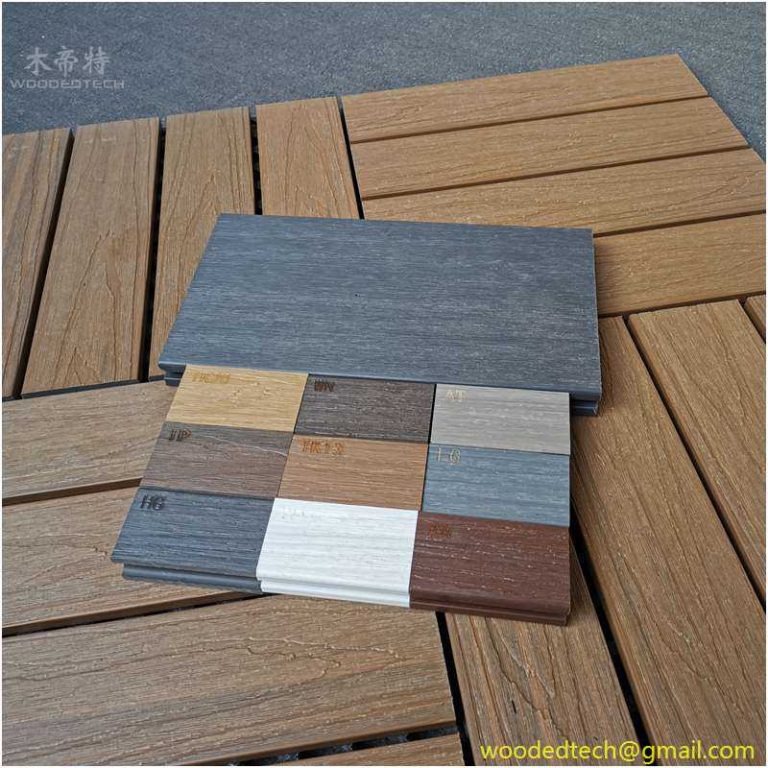
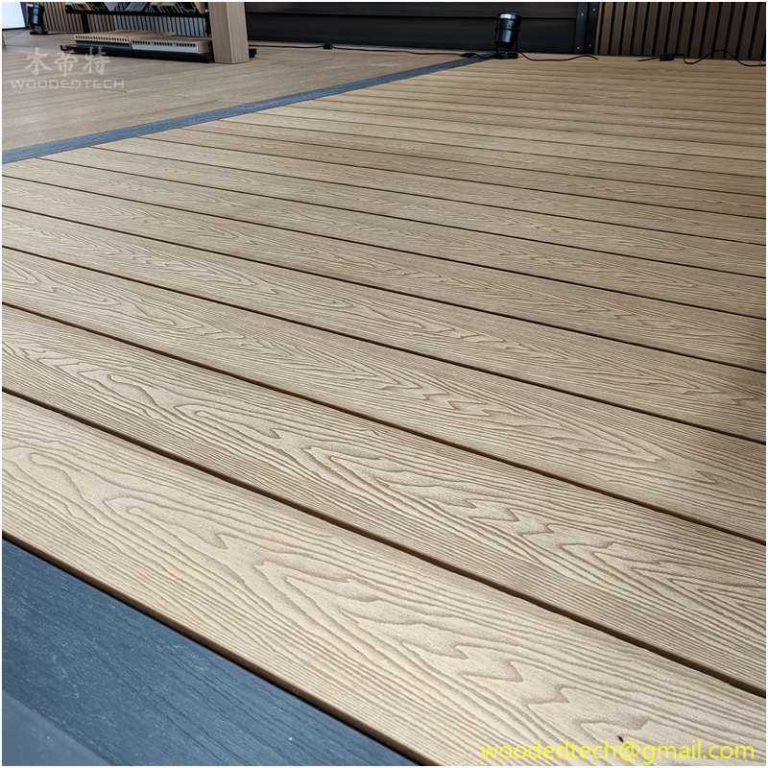
Composite decking is made from a blend of wood fibers and recycled plastic, which gives it the appearance of wood while enhancing its longevity. This material is resistant to rot, splintering, and fading, making it an attractive option for outdoor spaces. The cost of composite decking can vary significantly based on several key considerations, including the type of composite material, the size of the deck, labor costs, and additional features or accessories.
First and foremost, choosing the right type of composite decking is essential. There are several brands and types available on the market, each offering different price points. Some composite decking products are designed for high performance, featuring advanced technology that enhances their resistance to weather and wear. These premium options typically come with a higher price tag than standard composite materials. Homeowners should evaluate their budget and consider how much they are willing to invest in the decking material itself.

The size of the deck plays a significant role in determining the overall cost. The larger the deck, the more material will be required, which directly impacts the budget. To estimate the amount of composite decking needed, homeowners can calculate the square footage of the deck by multiplying its length by its width. It is advisable to account for an additional ten percent to cover waste and mistakes during installation. This waste factor is particularly important when working with materials that may be challenging to match later on.
Labor costs can also contribute significantly to the total project cost. If homeowners are considering a DIY approach, they can save on labor expenses but must be prepared for the time and effort involved in the installation process. For those who prefer to hire professionals, it is essential to obtain multiple quotes from contractors to ensure competitive pricing. Labor costs can vary depending on the complexity of the deck design, the region, and the contractor’s experience. A well-designed deck that includes intricate patterns or multiple levels may require more labor hours, thus increasing the overall cost.

In addition to the primary materials and labor, homeowners should consider additional features that can enhance the functionality and aesthetics of the deck. For example, railings, lighting, and built-in seating can add both beauty and utility to outdoor spaces but will also add to the overall cost. Railings may be necessary for safety reasons, particularly if the deck is elevated. The choice of railing materials can also influence the budget, with options ranging from wood to metal or composite railings.
Lighting is another feature that can elevate the ambiance of a deck space, allowing for enjoyment even after dark. Homeowners may choose to install built-in LED lighting along railings or steps, which can increase the initial investment but provide long-term energy savings and enhanced safety. Built-in seating can also add comfort and convenience, though it requires additional materials and planning.
Another factor to consider when budgeting for composite decking is the potential need for permits or inspections. Depending on local regulations, homeowners may need to obtain permits before beginning construction. Permit fees can vary based on location and project scope. Additionally, some regions may require inspections to ensure that the deck meets safety standards, which may incur additional costs.
It is essential to account for maintenance and longevity when evaluating the cost of composite decking. While composite materials are generally low maintenance, they are not entirely maintenance-free. Homeowners should budget for occasional cleaning and potential repairs, especially if the deck is exposed to harsh weather conditions. However, compared to traditional wood decking, composite options tend to require less upkeep, saving time and money in the long run.
Lastly, it is crucial to factor in the long-term value that composite decking can add to a home. While the initial investment may be higher than traditional wood, the durability and low maintenance of composite materials can lead to cost savings over time. Additionally, a well-maintained composite deck can enhance a home’s curb appeal and increase its resale value. Potential buyers often view outdoor living spaces as a significant asset, making a quality deck an attractive feature.
In light of these considerations, homeowners can better estimate the cost of composite decking for their projects. By evaluating the type of material, deck size, labor expenses, additional features, and long-term value, they can create a comprehensive budget that aligns with their vision for their outdoor space. It is advisable to conduct thorough research, compare multiple options, and consult with professionals when necessary to ensure that the project is both financially feasible and meets personal expectations for quality and design. By taking these steps, homeowners can move forward with confidence, transforming their outdoor areas into beautiful, functional spaces that can be enjoyed for years to come.