العربية
  English
  Español
  Français
  Português
  Deutsch
  Italiano
  Русский
  简体中文
简体中文  香港中文
香港中文  한국어
한국어  日本語
日本語  Türkçe
  Nederlands
  Bahasa Indonesia
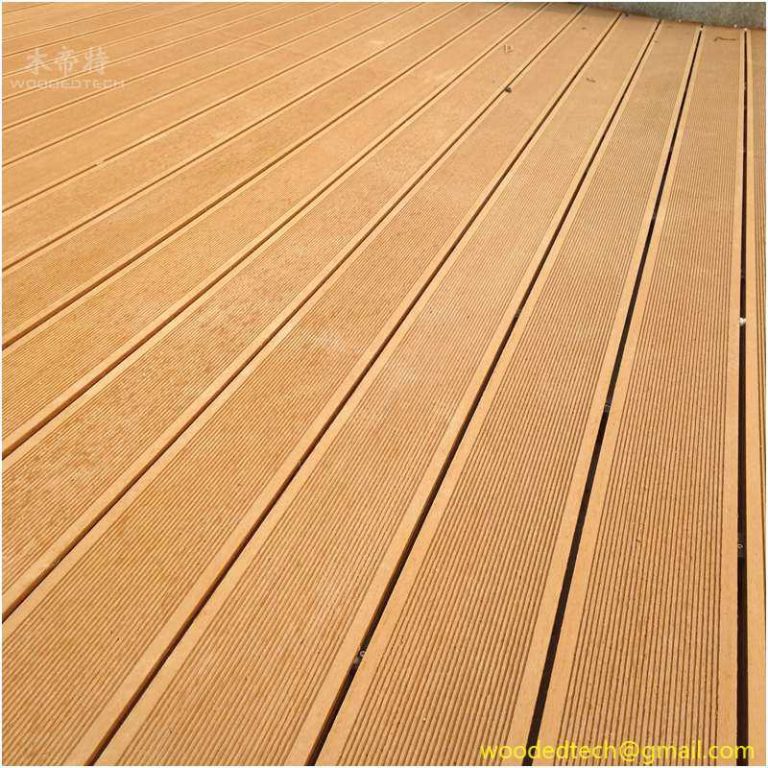
 تصميمات أعمدة من البوليمر الخشبي المركب للمساحات الخارجية التي توفر الأناقة والأداء الوظيفي
برزت الأعمدة الخشبية المصنوعة من البوليمر المركب كخيار شائع للمساحات الخارجية، حيث تمزج بين الأناقة والوظائف العملية. لا تعمل هذه الهياكل على تعزيز المظهر الجمالي للبيئات الخارجية فحسب، بل توفر أيضًا مزايا عملية تجعلها خيارًا مثاليًا لمختلف التطبيقات. وتلعب تكنولوجيا التصنيع الكامنة وراء بوليمرات الخشب المركب دورًا حاسمًا في...
أصبحت الأعمدة المصنوعة من البوليمرات الخشبية المركبة خيارًا شائعًا للمساحات الخارجية، حيث تجمع بين الأناقة والوظيفة. فهذه الهياكل لا تعزز فقط الجاذبية الجمالية للبيئات الخارجية، بل توفر أيضًا مزايا عملية تجعلها خيارًا مثاليًا لمختلف الاستخدامات. وتلعب تقنية تصنيع البوليمرات الخشبية المركبة دورًا حاسمًا في فعاليتها ومتانتها واستدامتها البيئية.
تتكون المواد المركبة من الخشب والبوليمرات بشكل أساسي من ألياف الخشب والبوليمرات الحرارية. تضفي ألياف الخشب المظهر والملمس الأصيلين للخشب الطبيعي، بينما تعزز البوليمرات الحرارية المتانة ومقاومة العوامل البيئية. وينتج عن هذا المزيج مادة مقاومة للتعفن والالتواء وتلف الحشرات، وهي المشكلات الشائعة التي تعاني منها المنتجات الخشبية التقليدية. تتضمن عملية التصنيع خلط ألياف الخشب مع البوليمرات، التي يتم بعد ذلك بثقها أو تشكيلها في أشكال وأحجام مختلفة. تتيح هذه المرونة إنشاء أعمدة تتناسب مع مجموعة واسعة من الأساليب المعمارية، من المعاصرة إلى الكلاسيكية.
تتمثل إحدى المزايا الرئيسية لأروقة الخشب البوليمر المركب في مقاومتها للعوامل الجوية. فالمنشآت الخارجية تتعرض باستمرار لظروف جوية متنوعة، بما في ذلك المطر والأشعة فوق البنفسجية وتقلبات درجات الحرارة. الخشب التقليدي عرضة لامتصاص الرطوبة، مما يؤدي إلى مشاكل مثل الانتفاخ والتشقق والتعفن. من ناحية أخرى، تم تصميم المواد المركبة لتتحمل هذه العوامل، مما يضمن لها العمر الطويل مع الحد الأدنى من الصيانة. هذه المرونة تجعلها خيارًا جذابًا لأصحاب المنازل ومديري العقارات التجارية الذين يبحثون عن حلول خارجية تدوم طويلاً.
بالإضافة إلى مقاومتها للعوامل الجوية، صُممت بوليمرات الخشب المركب أيضًا لتقليل جهود الصيانة. ففي حالة الأعمدة الخشبية التقليدية، لا بد من إجراء عمليات التلوين والتلميع والطلاء بانتظام للحفاظ على مظهرها وحمايتها من العوامل الجوية. أما المواد المركبة، فتتطلب صيانة أقل بكثير. فمجرد غسلها بالماء والصابون يكفي للحفاظ على مظهرها الجديد لسنوات. وتعد هذه الميزة المتمثلة في قلة الصيانة جذابة بشكل خاص في ظل نمط الحياة السريع اليوم، حيث يبحث أصحاب المنازل والشركات على حد سواء عن حلول فعالة لا تؤثر سلبًا على المظهر.

إن إمكانيات التصميم التي توفرها الأعمدة المصنوعة من البوليمر الخشبي المركب تكاد تكون لا حدود لها. يمكن تصنيع هذه المواد بمجموعة متنوعة من الألوان والتشطيبات، مما يتيح للمصممين ابتكار مظاهر مخصصة تتناسب مع موضوعات خارجية محددة أو أنماط معمارية معينة. سواء كان ذلك فناءً خارجيًا ريفيًا، أو منطقة حديقة حديثة، أو رواقًا تقليديًا، يمكن تخصيص المواد المركبة لتلبية الرغبات الجمالية لأي مشروع. لا تعزز هذه المرونة في التصميم الجاذبية البصرية للمساحات الخارجية فحسب، بل تتيح أيضًا التعبير الإبداعي في التخطيط المعماري.
علاوة على ذلك، تُعد الصداقة البيئية لمواد البوليمر الخشبي المركب سببًا آخر مقنعًا لزيادة شعبيتها. ومع تحول الاستدامة إلى عامل مهم في مجالي البناء والتصميم، يزداد الطلب على المواد التي تقلل من الأثر البيئي. غالبًا ما تُصنع البوليمرات الخشبية المركبة من مواد معاد تدويرها، بما في ذلك ألياف الخشب المستصلحة والبلاستيك المستهلك. يساعد هذا الجانب المتعلق بإعادة التدوير على تقليل البصمة الكربونية الإجمالية المرتبطة بإنتاج الهياكل الخارجية. من خلال اختيار المواد المركبة، يمكن للمهندسين المعماريين والبنائين المساهمة في الممارسات المستدامة مع الاستمرار في تقديم نتائج عالية الجودة.
ومن الجوانب الأساسية الأخرى للأروقة المصنوعة من الخشب المركب والبوليمر سلامتها الهيكلية. تضمن عملية التصنيع أن تكون هذه المواد جذابة من الناحية البصرية، فضلاً عن كونها قوية ومستقرة. وعلى عكس الخشب التقليدي، الذي قد يكون عرضة للتشقق والانقسام، تحافظ المواد المركبة على سلامتها بمرور الوقت. وتعد هذه القوة مهمة بشكل خاص للأروقة التي تعمل كهياكل داعمة للأسقف أو المظلات، مما يضمن السلامة والاستقرار للمستخدمين.
علاوة على ذلك، غالبًا ما يكون تركيب الأعمدة المصنوعة من الخشب المركب والبوليمر أسهل مقارنةً بالأنظمة الخشبية التقليدية. يوفر العديد من المصنعين مكونات مسبقة الصنع يمكن تجميعها بسرعة في الموقع، مما يقلل من تكاليف العمالة ووقت البناء. هذه الكفاءة مفيدة بشكل خاص للمشاريع واسعة النطاق التي يكون فيها الجدول الزمني عاملاً حاسماً. ونتيجة لذلك، يمكن للمقاولين إنشاء مساحات خارجية عالية الجودة بشكل أسرع مع الحفاظ على معايير عالية.

لا يقتصر دمج الأعمدة المصنوعة من الخشب المركب والبوليمر في التصميم الخارجي على الجانب الجمالي أو الوظيفي فحسب، بل يتعلق الأمر بخلق مساحات تعزز التجربة الشاملة للحياة في الهواء الطلق. فهذه الهياكل لا تعمل كعناصر وظيفية فحسب، بل تشكل أيضًا نقاط جذب تدعو إلى الاسترخاء والتفاعل الاجتماعي. سواء في الحدائق الخلفية للمنازل أو المتنزهات العامة أو العقارات التجارية، تخلق الأعمدة مناطق جذابة تشجع الناس على قضاء الوقت في الهواء الطلق، والاستمتاع بجمال الطبيعة والمجتمع.
مع استمرار تزايد الطلب على الحلول المبتكرة للمساحات الخارجية، تبرز الأعمدة المصنوعة من البوليمر الخشبي المركب كخيار مفضل. فمزيجها الفريد من الأناقة والمتانة وقلة الحاجة إلى الصيانة ومراعاة البيئة يجعلها خيارًا جذابًا للمهندسين المعماريين والمقاولين وأصحاب المنازل على حد سواء. ومع تقدم التكنولوجيا وظهور تقنيات تصنيع جديدة، ستزداد إمكانات هذه المواد في تحويل المساحات الخارجية. ولا يقتصر دور استخدام البوليمرات الخشبية المركبة في التصميم على تعزيز جمال المساحات الخارجية فحسب، بل يدعم أيضًا الممارسات المستدامة للأجيال القادمة.