English
 Español
 Français
 Português
 Deutsch
 Italiano
 Русский
 العربية
 简体中文
 香港中文
 한국어
 日本語
 Türkçe
 Nederlands
 Bahasa Indonesia
Finding the Right WPC Panel Size for Your Project
Finding the Right WPC Panel Size for Your Project When embarking on a construction or renovation project, selecting the appropriate materials is crucial to achieving a successful outcome. One material that has gained significant popularity in recent years is Wood Plastic Composite (WPC) panels. These panels are celebrated for their durability, aesthetic appeal, and versatility….
Finding the Right WPC Panel Size for Your Project
When embarking on a construction or renovation project, selecting the appropriate materials is crucial to achieving a successful outcome. One material that has gained significant popularity in recent years is Wood Plastic Composite (WPC) panels. These panels are celebrated for their durability, aesthetic appeal, and versatility. However, one of the most critical factors to consider when utilizing WPC panels is determining the right size for your specific project. This decision can significantly impact not only the visual appeal of the finished product but also its functionality and overall cost-effectiveness.
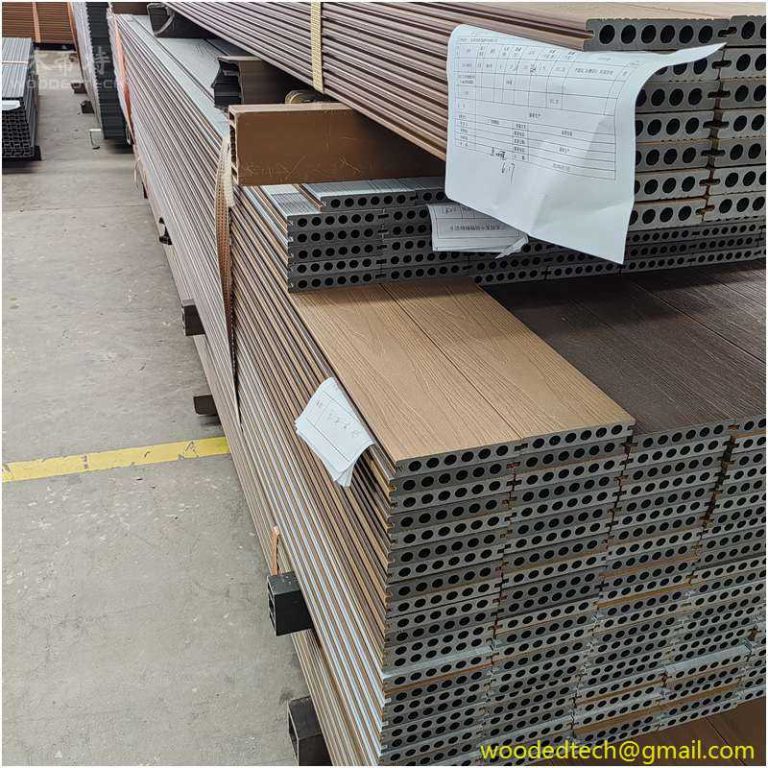
Understanding the dimensions of WPC panels is essential, as these panels come in various sizes and thicknesses to cater to different applications. For instance, if you are considering WPC panels for decking, you might find that the standard sizes typically range from 1×6 inches to 1×12 inches, with lengths varying from 8 to 20 feet. Choosing the right dimensions will depend on the layout and design of your outdoor space, as well as the weight-bearing requirements of the deck itself.

In contrast, if you are planning to use WPC panels for interior applications such as wall cladding or furniture, you may want to look into larger panels that can create a seamless appearance. These panels often come in sizes like 4×8 feet or even larger, allowing for fewer seams and a more polished look. Additionally, the thickness of the panels can range from 0.5 inches to 1 inch or more, depending on the intended use. Thicker panels tend to offer greater durability, which is especially important in high-traffic areas or environments that may be exposed to moisture.
One of the first steps in selecting the right size WPC panel is to assess the specific requirements of your project. Begin by determining the area that you will be covering or the structure that you will be building. For example, if you are creating a WPC deck, measure the total square footage of the area. This will help you estimate how many panels you will need and what dimensions will be most efficient for your design.
Another aspect to consider is the layout of your project. If you are working with a complicated design that includes angles or curves, you may need to opt for smaller panels that are easier to manipulate during installation. On the other hand, for straightforward, rectangular designs, larger panels may save time and minimize waste.

Furthermore, it is essential to factor in the installation process when choosing the size of your WPC panels. Larger panels can significantly reduce the number of seams and joints, which not only enhances the visual appeal but also minimizes the potential for water infiltration and degradation over time. However, larger panels can be cumbersome to handle and may require additional support during installation.
Once you have a clear understanding of the size and layout of your project, it is also wise to consider the weight and load-bearing capacity of the WPC panels. Different sizes and thicknesses will have varying strength characteristics, which can influence your choice. For example, if you are constructing a deck that will support heavy outdoor furniture or foot traffic, it may be prudent to select thicker, more robust panels that can withstand greater loads.
Additionally, the environmental conditions of the area where your project is located can also guide your decision. In regions with extreme weather conditions—such as heavy rainfall, snow, or high humidity—choosing thicker panels may provide better resistance against moisture and warping. Conversely, in milder climates, standard-sized panels may suffice.
Budget is another critical factor that should not be overlooked when selecting WPC panel sizes. Generally, larger panels may offer cost savings in terms of material and installation labor, as they cover more area with fewer pieces. However, the initial cost of larger panels can sometimes be higher, which may affect your overall budget. It’s essential to strike a balance between quality, size, and cost to ensure your project remains within financial constraints while achieving the desired aesthetic and functional outcomes.
In conclusion, finding the right size WPC panel for your project involves a careful assessment of various factors, including the dimensions of the area to be covered, the complexity of the design, the weight-bearing needs, environmental conditions, and your budget. By taking the time to evaluate these aspects, you can ensure that you select the most appropriate WPC panel size that aligns with your project’s requirements.
As you navigate your project, remember that investing in quality materials and thoughtful planning will pay dividends in the longevity and performance of your construction. WPC panels offer a rich blend of beauty and functionality, making them an excellent choice for a wide range of applications. Whether you are looking to create a stunning outdoor space or enhance the interior of your home, the right WPC panel size will help you achieve the results you desire.