Türkçe
  English
  Español
  Français
  Português
  Deutsch
  Italiano
  Русский
  العربية
  简体中文
简体中文  香港中文
香港中文  한국어
한국어  日本語
日本語  Nederlands
  Bahasa Indonesia
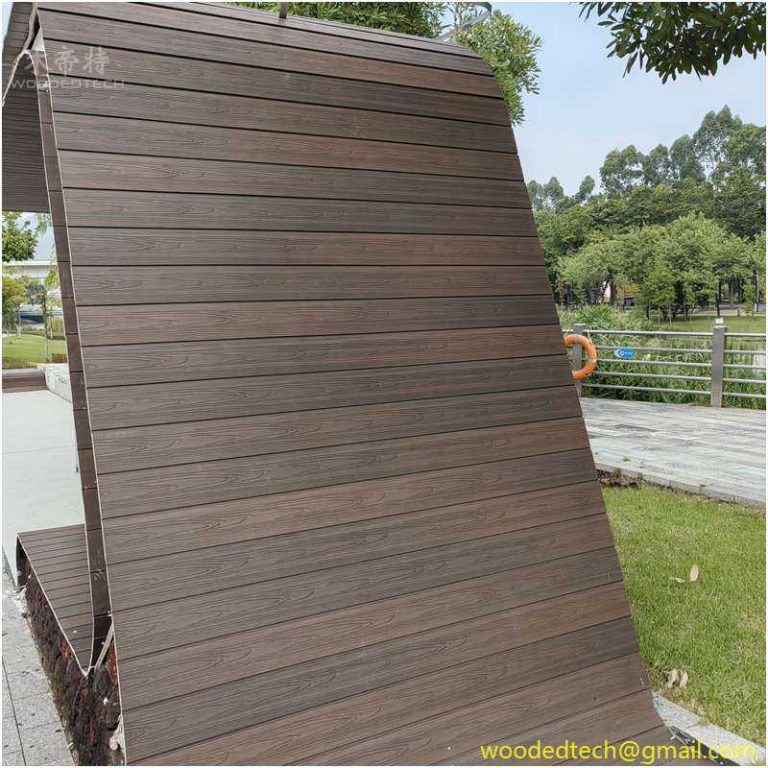
 Woodedtech sürdürülebilir bahçecilikte ahşap plastik kompozit yeşil tünelleri kullanıyor
Çevre sorunları ve sürdürülebilir uygulamalara duyulan ihtiyaç konusunda artan farkındalık, bahçe ve peyzaj sektörlerinde önemli bir değişime yol açmıştır. Bu alandaki en umut verici yeniliklerden biri, yaygın olarak WPC olarak bilinen ahşap plastik kompozitlerin kullanılmasıdır. Bu malzemeler, bahçe ve peyzaj da dahil olmak üzere çeşitli uygulamalar için yaygın olarak...
Çevre sorunlarına yönelik artan farkındalık ve sürdürülebilir uygulamalara duyulan ihtiyaç, bahçecilik ve peyzaj sektörlerinde önemli bir dönüşüme yol açmıştır. Bu alandaki en umut verici yeniliklerden biri, genel olarak WPC olarak bilinen ahşap-plastik kompozitlerin kullanımıdır. Bu malzemeler, sürdürülebilir bahçecilikte yeşil tünellerin inşası da dahil olmak üzere çeşitli uygulamalarda yaygın olarak benimsenmektedir. WPC ürünleri için hızla büyüyen pazar, bu ürünlerin sayısız avantajı ve çok yönlülüğüne bağlanabilir; bu da onları çevre dostu çözümler arayan bahçıvanlar ve peyzaj mimarları için ideal bir seçim haline getirmektedir.
Ahşap-plastik kompozitler, ahşap lifleri veya talaşı ile geri dönüştürülmüş plastiğin karışımından üretilen mühendislik malzemeleridir. Bu kombinasyon, doğal ahşabın estetik cazibesini korurken, daha fazla dayanıklılık ve çevresel etkenlere karşı direnç sunan bir ürün ortaya çıkarır. Yeşil tünellerin yapımında WPC kullanımı, genellikle önemli miktarda kaynak ve bakım gerektiren işlenmiş ahşap veya metal gibi geleneksel malzemelere sürdürülebilir bir alternatif sunar.
Yeşil tünellerde WPC kullanmanın en önemli avantajlarından biri, neme ve zararlılara karşı dayanıklılığıdır. Geleneksel ahşap yapılar çürümeye ve böcek hasarına maruz kalır, bu da ömürlerini kısaltabilir ve bakım maliyetlerini artırabilir. Buna karşın, WPC hava koşullarına dayanacak şekilde tasarlanmıştır, bu da onu dış mekan uygulamaları için ideal bir seçim haline getirir. Bu dayanıklılık, yeşil tünellerin uzun yıllar boyunca işlevsel ve görsel olarak çekici kalmasını sağlar, böylece değiştirme ve onarım ihtiyacını azaltır.

Ahşap-plastik kompozitlerin hafif yapısı, yeşil tünel yapımında giderek artan popülerliklerine de katkıda bulunmaktadır. Bu özellik, bu malzemelerin taşınmasını ve kurulumunu kolaylaştırarak bahçıvanların ve peyzaj mimarlarının yapıları hızlı ve verimli bir şekilde monte etmelerine olanak tanır. Kurulum kolaylığı, küçük ölçekli bahçıvanların bile özel alet veya ekipmana ihtiyaç duymadan projelerinde WPC'den yararlanabilmelerini sağlar. Bu erişilebilirlik, daha fazla insanın sürdürülebilir bahçecilik uygulamalarını benimsemesini ve yetiştirme alanlarını geliştirmek için yeşil tünelleri kullanmasını teşvik eder.
Sürdürülebilir bahçeciliğin önemli bir unsuru, bitki büyümesini destekleyen mikro iklimler yaratabilmektir. WPC'den yapılan yeşil tüneller, sıcaklık ve nem seviyelerini düzenlemeye yardımcı olarak çeşitli bitkiler için ideal bir ortam sağlar. Isı ve nemi hapsederek bu yapılar, büyüme mevsimini uzatabilir ve bahçıvanların daha geniş bir yelpazede mahsul ve süs bitkisi yetiştirmesine olanak tanır. Bu özellik, üretimi en üst düzeye çıkarmanın hayati önem taşıdığı, büyüme mevsimlerinin kısa olduğu veya hava koşullarının öngörülemez olduğu bölgelerde özellikle faydalıdır.
Ayrıca, ahşap-plastik kompozitlerin kullanımının çevresel faydaları, dayanıklılık ve kullanım kolaylığının ötesine uzanmaktadır. WPC üretimi genellikle tüketim sonrası plastiklerin geri dönüşümünü içerir ve bu da atıkların çöp sahalarına gitmesini önlemeye yardımcı olur. WPC üreticileri, üretim süreçlerine geri dönüştürülmüş malzemeleri dahil ederek döngüsel ekonomiye katkıda bulunur ve sürdürülebilirliği teşvik eder. WPC'den üretilmiş yeşil tünelleri tercih etmek, sadece sorumlu kaynak yönetimini desteklemekle kalmaz, aynı zamanda tüketicileri daha çevreye duyarlı seçimler yapmaya teşvik eder.

Pratik avantajlarının yanı sıra, WPC yeşil tüneller estetik bir görünüm de sunar. Bu kompozitlerin doğal ahşap benzeri görünümü, bahçıvanların modern malzemelerden yararlanırken dış mekanlarında uyumlu bir görünüm elde etmelerini sağlar. İşlevsellik ve güzelliğin bu birleşimi, çekici ve davetkar ortamlar yaratmak isteyen ev sahipleri ve ticari peyzaj mimarları için çok önemlidir. WPC, çeşitli renk ve yüzey seçenekleriyle üretilebilir, böylece her türlü bahçe tasarımına uyum sağlayacak şekilde özelleştirilebilir.
Daha fazla kişi ve işletmenin sürdürülebilir bahçecilik uygulamalarının avantajlarını fark etmesiyle birlikte, ahşap-plastik kompozitler pazarının büyümeye devam etmesi bekleniyor. Kentsel alanlar genişledikçe ve yeşil alanlara olan talep arttıkça, WPC yeşil tüneller gibi yenilikçi çözümlere olan ihtiyaç daha da belirgin hale gelecektir. Bu yapılar sadece işlevsel faydalar sağlamakla kalmaz, aynı zamanda biyolojik çeşitliliği teşvik ederek ve kentsel ısı adalarını azaltarak ekosistemlerin genel sağlığına da katkıda bulunur.
Ayrıca, WPC'nin çok yönlülüğü yeşil tünellerin ötesine uzanmaktadır. Dış mekan mobilyaları, teras döşemeleri, çitler ve diğer peyzaj öğelerindeki kullanım alanları, WPC'nin tüm dış mekan ortamlarını dönüştürme potansiyelini ortaya koymaktadır. Tüketiciler çevre bilincini geliştirdikçe, değerleriyle uyumlu ürünleri tercih etme eğiliminde olacaklardır; bu da çeşitli bahçecilik ve peyzaj uygulamalarında WPC malzemelerine olan talebi daha da artıracaktır.
Topluluk bahçeciliği ve kentsel tarımın giderek yaygınlaşan eğilimi, ahşap-plastik kompozitlerin artan popülaritesinde de önemli bir rol oynamaktadır. Ortak yeşil alanları düzenlemek için daha fazla kişi bir araya geldikçe, dayanıklı ve az bakım gerektiren yapılara duyulan ihtiyaç da belirginleşmektedir. WPC yeşil tüneller, bitki yetiştirme için güvenilir bir çerçeve sunarak, gıda güvenliğini artırarak ve katılımcılar arasında sosyal bağları güçlendirerek bu topluluk çabalarını kolaylaştırabilir.
İklim değişikliği ve değişen tarım uygulamaları bağlamında, WPC yeşil tüneller gibi sürdürülebilir çözümlerin önemi ne kadar vurgulanırsa vurgulanmaz azdır. Bahçıvanlar ve peyzaj mimarları değişen koşullara uyum sağlamaya çalışırken, bu yenilikçi yapılar dayanıklılık ve sürdürülebilirliğe giden bir yol sunmaktadır. Ahşap-plastik kompozitlere yatırım yaparak, bireyler ve kuruluşlar daha sürdürülebilir bir geleceğe katkıda bulunurken, aynı zamanda gelişmiş bahçecilik deneyimlerinin faydalarından da yararlanabilirler.
Hızla büyüyen ahşap-plastik kompozit pazarı, bahçecilik ve peyzaj sektörleri için sürdürülebilir uygulamaları benimseme konusunda önemli bir fırsat sunmaktadır. Çevre sorunlarına yönelik farkındalık artmaya devam ettikçe, WPC yeşil tüneller gibi yenilikçi çözümlere olan talep de muhtemelen artacaktır. Bahçıvanlar ve peyzaj mimarları, bu malzemelerin avantajlarından yararlanarak hem insanlara hem de gezegene fayda sağlayan, canlı ve çevre dostu alanlar yaratabilirler.