Türkçe
  English
  Español
  Français
  Português
  Deutsch
  Italiano
  Русский
  العربية
  简体中文
简体中文  香港中文
香港中文  한국어
한국어  日本語
日本語  Nederlands
  Bahasa Indonesia
 Çevre dostu bahçe tasarımları için yeşil tünel ahşap plastik kompozit
Sürdürülebilir malzemelere yönelik küresel talep, çevre sorunları konusunda artan farkındalık ve inşaat ve peyzaj dahil olmak üzere çeşitli sektörlerde çevre dostu alternatiflere duyulan istek nedeniyle son yıllarda artış göstermiştir. Bu bağlamda ortaya çıkan en yenilikçi çözümlerden biri, dış mekan uygulamaları için ahşap plastik kompozitlerin (WPC) kullanılmasıdır...
The global demand for sustainable materials has surged in recent years, driven by growing awareness of environmental issues and a desire for eco-friendly alternatives in various sectors, including construction and landscaping. One of the most innovative solutions emerging in this context is the use of wood plastic composites (WPC) for outdoor applications, particularly in the design of eco-friendly gardens and landscapes. As a China Outdoor WPC factory, the role of production capacity distribution in the global market becomes crucial to understanding how this material is reshaping outdoor spaces while contributing to sustainability.
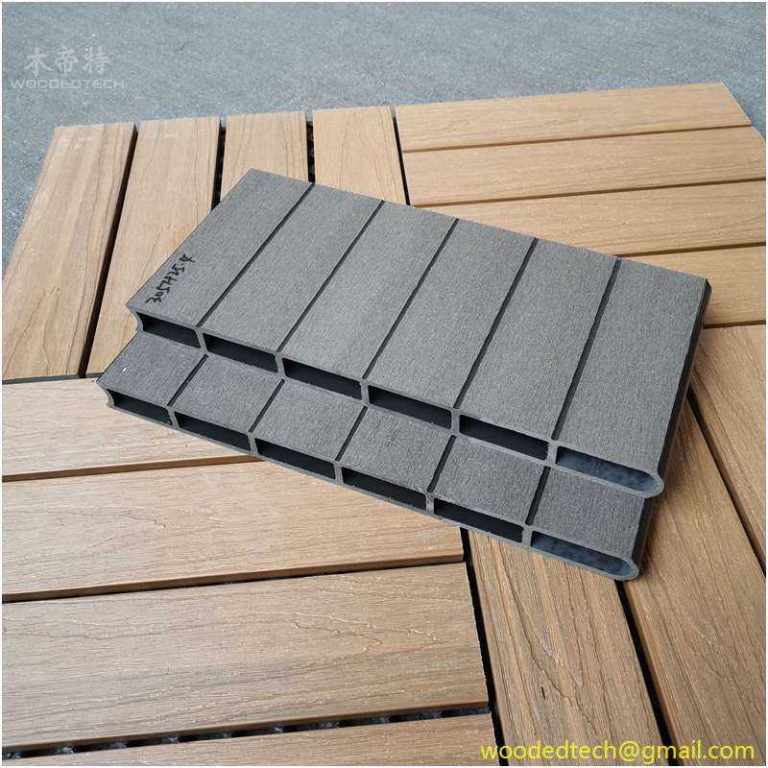
Wood plastic composite is a versatile material made from a blend of wood fibers, recycled plastics, and additives. The combination of these elements results in a product that mimics the appearance of natural wood while offering enhanced durability, resistance to weathering, and minimal maintenance requirements. This unique blend makes WPC an ideal choice for outdoor applications, including decking, fencing, and garden furniture. The eco-friendly aspect of WPC stems from its composition, as it utilizes recycled materials, reducing waste and the need for virgin resources.
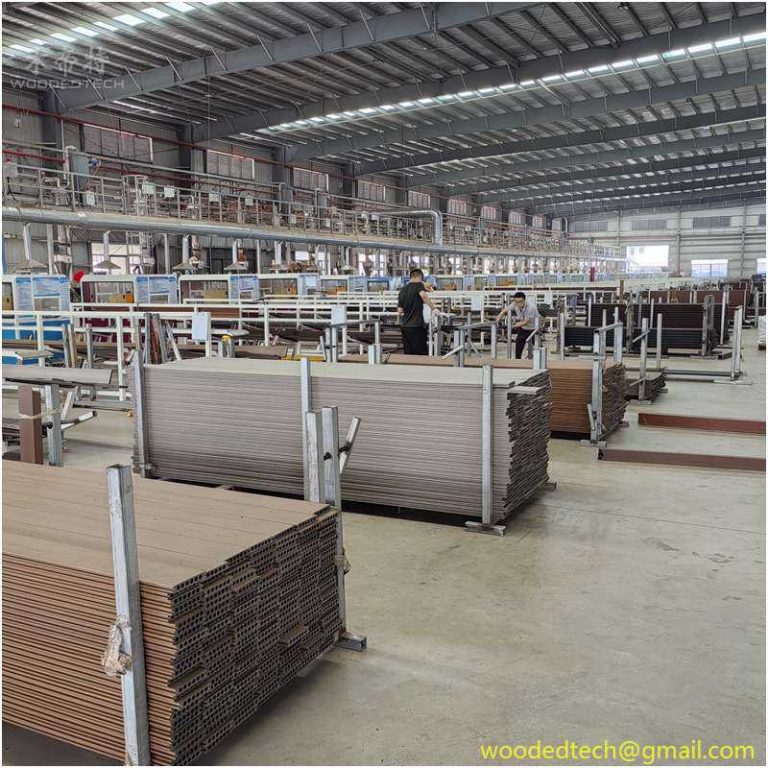
The production capacity of WPC is distributed globally, with significant manufacturing hubs located in Asia, North America, and Europe. China, as a leading producer of WPC, has established a robust infrastructure for the production and supply of this composite material. The country benefits from access to abundant raw materials, including wood waste and plastics, which are essential for producing high-quality WPC. Furthermore, China’s manufacturing capabilities allow it to meet the increasing global demand for eco-friendly alternatives in garden design and landscaping.
In recent years, the Asia-Pacific region has emerged as a significant player in the WPC market. Countries such as China, India, and Japan are at the forefront of this trend, driven by rapid urbanization and a growing emphasis on sustainable development. The rise of eco-friendly garden designs in these regions is closely linked to the increasing popularity of WPC products. Garden designers and landscapers are increasingly opting for WPC due to its aesthetic appeal and environmental benefits. As cities expand and green spaces become more limited, the demand for innovative materials that can enhance outdoor environments while being eco-conscious is more critical than ever.

North America also plays a vital role in the WPC production landscape. The United States and Canada are home to several established manufacturers that focus on advanced technologies and sustainable practices. The North American market values eco-friendly products, which has led to an increased acceptance of WPC in both residential and commercial landscaping projects. The use of WPC in garden designs aligns with the region’s commitment to environmental stewardship, making it a popular choice among architects and landscape designers.
Europe remains a key market for wood plastic composites, with a strong emphasis on sustainability and regulatory frameworks that promote the use of environmentally friendly materials. The European Union’s initiatives to reduce plastic waste and promote recycling have spurred innovation in the WPC sector. As a result, many European manufacturers are investing in research and development to create high-performance WPC products that meet stringent environmental standards. This focus on sustainability resonates with consumers, leading to a growing preference for WPC in garden designs across the continent.
As the global production capacity for WPC continues to evolve, it is essential to highlight the role of technological advancements in enhancing the material’s properties and applications. Innovations in manufacturing processes, such as extrusion and injection molding, have improved the quality and consistency of WPC products. These advancements allow for the creation of customized solutions tailored to specific design requirements, further expanding the potential applications of WPC in eco-friendly garden designs.
The versatility of WPC enables it to be used in various landscaping features, including walkways, garden borders, and raised beds. Its resistance to rot, insects, and fading makes it an attractive option for outdoor environments, where traditional wood may struggle to maintain its appearance and integrity over time. Additionally, WPC can be produced in various colors and textures, allowing designers to create stunning visual effects that complement the natural surroundings.

Sustainability is not limited to the materials used in production; it also extends to the entire lifecycle of the product. WPC is designed to have a long lifespan, reducing the need for frequent replacements and minimizing waste. At the end of its life, WPC can often be recycled or repurposed, further contributing to its eco-friendly credentials. This cyclical approach aligns with the principles of circular economy, an increasingly important concept in modern manufacturing practices.
The growing interest in eco-friendly garden designs has also led to a rise in collaborations between WPC manufacturers and landscape architects. These partnerships have sparked innovative projects that showcase the potential of WPC in creating sustainable outdoor spaces. By combining expertise in design and material science, these collaborations aim to push the boundaries of what is possible with WPC, inspiring others to adopt sustainable practices in their landscaping endeavors.
As more consumers and businesses recognize the value of sustainable materials, the demand for WPC is expected to continue its upward trajectory. The global production capacity distribution will play a significant role in ensuring that this demand is met efficiently and responsibly. With ongoing investments in technology and a commitment to sustainability, WPC manufacturers are well-positioned to lead the way in providing eco-friendly solutions for outdoor spaces, ultimately contributing to a greener and more sustainable future.