Italiano
  English
  Español
  Français
  Português
  Deutsch
  Русский
  العربية
  简体中文
简体中文  香港中文
香港中文  한국어
한국어  日本語
日本語  Türkçe
  Nederlands
  Bahasa Indonesia
 Composito di legno Colonnade per eleganti percorsi e strutture esterne
Il legno composito Colonnade si sta rapidamente affermando come materiale di punta per i percorsi e le strutture esterne, grazie alla sua combinazione unica di durata, estetica e sostenibilità ambientale. In qualità di fabbrica cinese specializzata in prodotti compositi in legno e plastica (WPC) per esterni, siamo in prima linea in un mercato globale in crescita che...
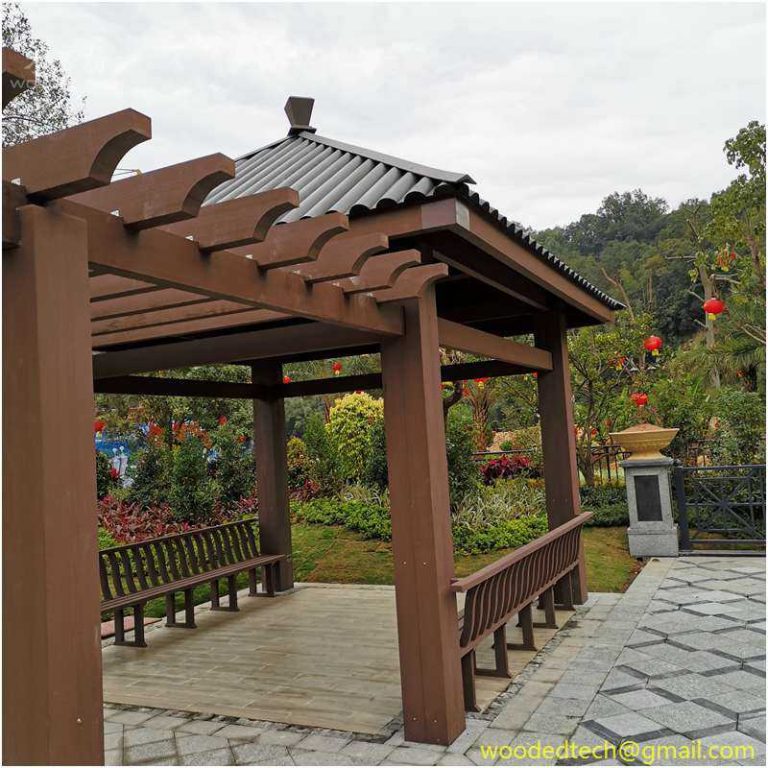
Colonnade wood composite is rapidly gaining recognition as a premier material for outdoor pathways and structures, thanks to its unique combination of durability, aesthetics, and environmental sustainability. As a factory in China specializing in outdoor wood plastic composite (WPC) products, we are positioned at the forefront of a growing global market that is witnessing significant shifts in production capacity distribution. This article explores the advantages of Colonnade wood composite, its applications in outdoor environments, and the factors influencing the evolving landscape of global production capacity.
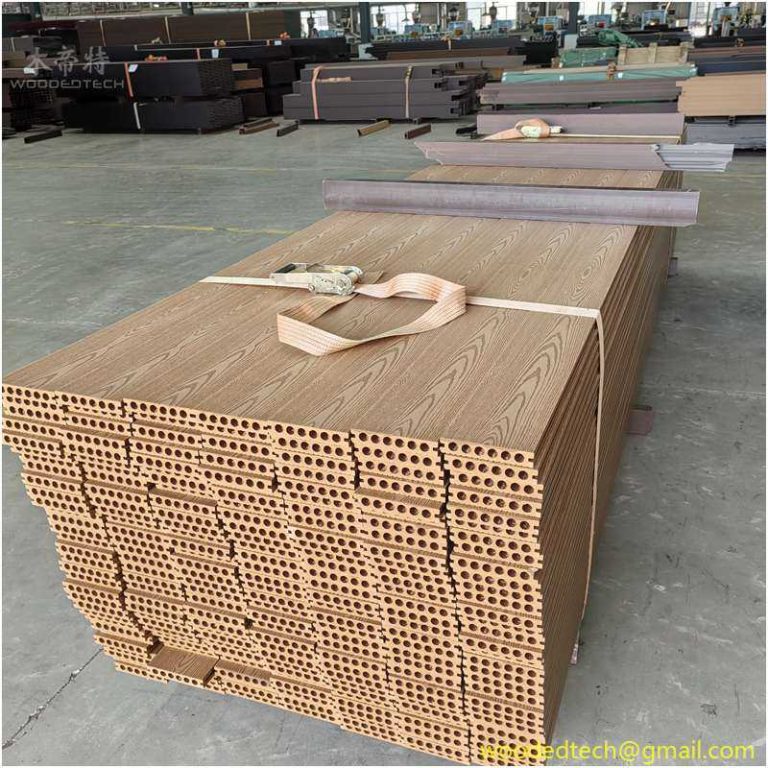
The composition of Colonnade wood composite includes a mix of recycled wood fibers and high-density polyethylene, which offers several advantages over traditional materials. One of the most significant benefits is its resistance to rot, insects, and moisture. Unlike natural wood, which can warp or decay over time, Colonnade wood composite maintains its structural integrity, making it an ideal choice for outdoor pathways, decks, and other structures exposed to the elements. This longevity translates into lower maintenance costs and a longer lifespan for outdoor installations, further solidifying its appeal in both residential and commercial applications.
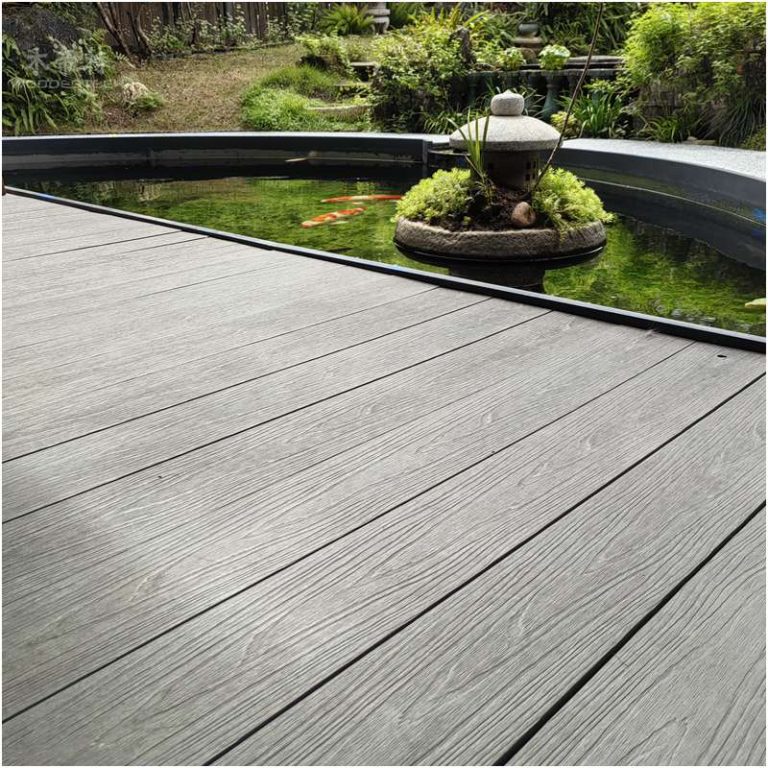
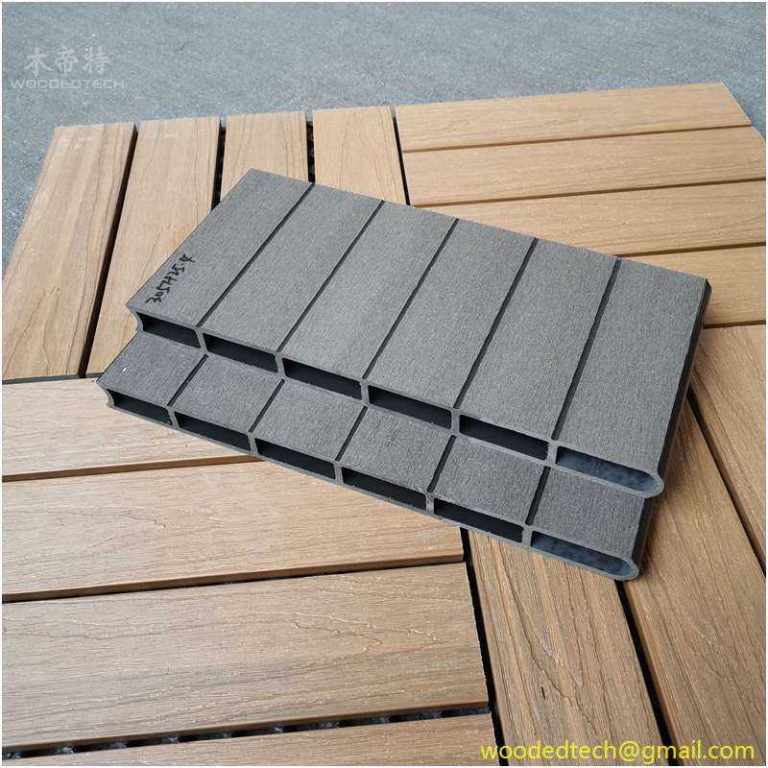
Aesthetically, Colonnade wood composite offers a variety of colors and finishes that can mimic the appearance of natural wood while avoiding many of its drawbacks. Homeowners and architects can choose from an array of textures and shades to complement their outdoor designs. This versatility allows for creative expression in landscaping and outdoor architecture, providing designers with the ability to create elegant pathways and structures that enhance the overall beauty of outdoor spaces.

The global demand for Colonnade wood composite is influenced by several factors, including increasing consumer awareness of environmental sustainability. As individuals and businesses become more conscious of their ecological footprint, the preference for materials that utilize recycled content continues to grow. Colonnade wood composite is made from recycled materials, aligning with the sustainability goals of many consumers. This shift towards eco-friendly products is a significant driver of production capacity expansion in regions where WPC manufacturing is taking root.
China has emerged as a key player in the global production of wood plastic composites. The country’s manufacturing capabilities, coupled with its access to raw materials and advanced production technologies, position it as a leading supplier for international markets. As demand for Colonnade wood composite products increases, Chinese factories are scaling up their operations to meet the needs of both domestic and global consumers. This ongoing expansion in production capacity not only benefits local economies but also helps to establish China as a major hub for WPC manufacturing.
The distribution of production capacity for wood composites is not uniform across the globe. Regions such as North America and Europe have established markets with a focus on high-quality, premium products. In contrast, Asia, particularly China, has become a powerhouse for mass production, offering competitive pricing and rapid turnaround times. This disparity in production capacity distribution reflects not only economic factors but also the varying levels of demand for WPC products in different regions.
In North America, the focus has been on developing innovative WPC products that cater to the unique preferences of consumers. This includes the creation of specialized blends that enhance the performance characteristics of Colonnade wood composite, such as improved UV resistance, greater slip resistance, and enhanced color retention. These advancements allow manufacturers to target niche markets, such as luxury outdoor living spaces, where aesthetics and performance are paramount.

Meanwhile, in Europe, there is a growing emphasis on sustainability and regulatory compliance. As environmental regulations become stricter, manufacturers are investing in advanced technologies to ensure their products meet these standards. This has led to an increased demand for high-quality WPC products that not only perform well but also minimize environmental impact. European consumers are increasingly looking for products that are certified as eco-friendly, which influences production strategies and capacity planning in the region.
The increasing globalization of trade also plays a crucial role in shaping the distribution of production capacity for Colonnade wood composite. With advancements in logistics and transportation, manufacturers can easily export their products to international markets. This has resulted in a more interconnected supply chain, where factories in one region can serve customers in another, creating a competitive landscape for WPC products.
Technology is another significant factor influencing production capacity distribution. Innovations in manufacturing processes, such as automated production lines and improved extrusion techniques, have allowed factories to increase output while maintaining high-quality standards. These technological advancements are particularly evident in Chinese factories, which are continually adopting state-of-the-art equipment to enhance their production capabilities.
As the global market for Colonnade wood composite continues to grow, manufacturers must remain agile and responsive to changing consumer preferences and market conditions. This includes investing in research and development to create new products that meet the evolving needs of consumers while also addressing sustainability concerns. The ability to adapt to market trends will be essential for manufacturers looking to expand their share in the international market.
The future of Colonnade wood composite is bright, driven by its numerous advantages and the increasing global demand for sustainable building materials. As production capacity expands and technology continues to advance, the possibilities for this innovative material are virtually limitless. Its applications in outdoor pathways and structures will likely continue to evolve, paving the way for more elegant and environmentally friendly outdoor spaces worldwide.