Bahasa Indonesia
  English
  Español
  Français
  Português
  Deutsch
  Italiano
  Русский
  العربية
  简体中文
简体中文  香港中文
香港中文  한국어
한국어  日本語
日本語  Türkçe
  Nederlands
 Pilihan material kayu pergola untuk menciptakan ruang luar yang indah dan fungsional
Menciptakan ruang luar yang indah dan fungsional adalah tren yang berkembang di kalangan pemilik rumah dan desainer, terutama dengan semakin populernya pergola. Struktur ini tidak hanya meningkatkan daya tarik estetika taman, teras, dan halaman belakang, tetapi juga memberikan keteduhan dan perlindungan dari elemen. Memilih bahan kayu yang tepat untuk pergola sangat penting dalam...
Menciptakan ruang luar ruangan yang indah dan fungsional menjadi tren yang semakin populer di kalangan pemilik rumah dan desainer, terutama seiring meningkatnya popularitas pergola. Struktur ini tidak hanya mempercantik taman, teras, dan halaman belakang, tetapi juga memberikan naungan serta perlindungan dari cuaca. Memilih bahan kayu yang tepat untuk pergola sangat penting guna memastikan ketahanan dan daya tarik visualnya. Tersedia berbagai jenis bahan kayu, masing-masing menawarkan karakteristik dan manfaat yang unik.
Salah satu pilihan paling populer untuk pergola adalah kayu cedar. Dikenal karena ketahanannya yang alami terhadap pembusukan dan serangga, kayu cedar merupakan pilihan yang sangat baik untuk struktur luar ruangan. Aroma khasnya juga menambah nuansa tersendiri pada ruang luar ruangan, sehingga menghabiskan waktu di bawah pergola kayu cedar menjadi pengalaman yang menyenangkan. Minyak alami yang terkandung dalam kayu cedar membantu mengusir serangga, yang sangat menguntungkan bagi area bersantai di luar ruangan. Selain itu, kayu cedar memiliki warna kemerahan yang indah yang dapat mempercantik tampilan keseluruhan taman atau teras mana pun. Sifatnya yang ringan membuatnya mudah dikerjakan, sehingga memungkinkan pembuatan desain dan struktur yang rumit.

Bahan lain yang tak kalah unggul dalam dunia bahan pergola adalah kayu redwood. Mirip dengan kayu cedar, kayu redwood memiliki ketahanan yang mengesankan terhadap pembusukan dan serangan serangga. Ketahanan ini menjadikannya pilihan ideal untuk penggunaan di luar ruangan. Kayu redwood juga memiliki penampilan yang menawan, dengan warna-warna kaya yang berkisar dari merah muda terang hingga merah tua. Kayu ini dapat dibiarkan tanpa perlakuan agar terbentuk lapisan alami seiring waktu, atau dapat diberi pewarna untuk mempercantik warnanya dan memberikan perlindungan tambahan. Stabilitas kayu redwood membuatnya tidak mudah melengkung atau retak, sehingga memastikan pergola Anda tetap mempertahankan integritas strukturalnya selama bertahun-tahun ke depan.
Bagi mereka yang mencari pilihan yang lebih terjangkau, kayu pinus yang diolah dengan tekanan dapat menjadi pilihan yang sangat baik. Kayu ini diolah dengan bahan pengawet untuk meningkatkan ketahanannya terhadap kelembapan, pembusukan, dan serangga. Meskipun mungkin tidak memiliki keindahan alami seperti kayu cedar atau redwood, kayu pinus yang diolah dengan tekanan dapat dicat atau diberi pewarna agar serasi dengan dekorasi luar ruangan yang sudah ada. Ini adalah pilihan serbaguna yang dapat disesuaikan dengan mudah, sehingga memungkinkan pemilik rumah untuk menciptakan ruang luar ruangan yang dipersonalisasi. Efisiensi biaya kayu pinus yang diolah dengan tekanan menjadikannya pilihan yang menarik bagi mereka yang memiliki anggaran terbatas, tanpa mengorbankan daya tahan.
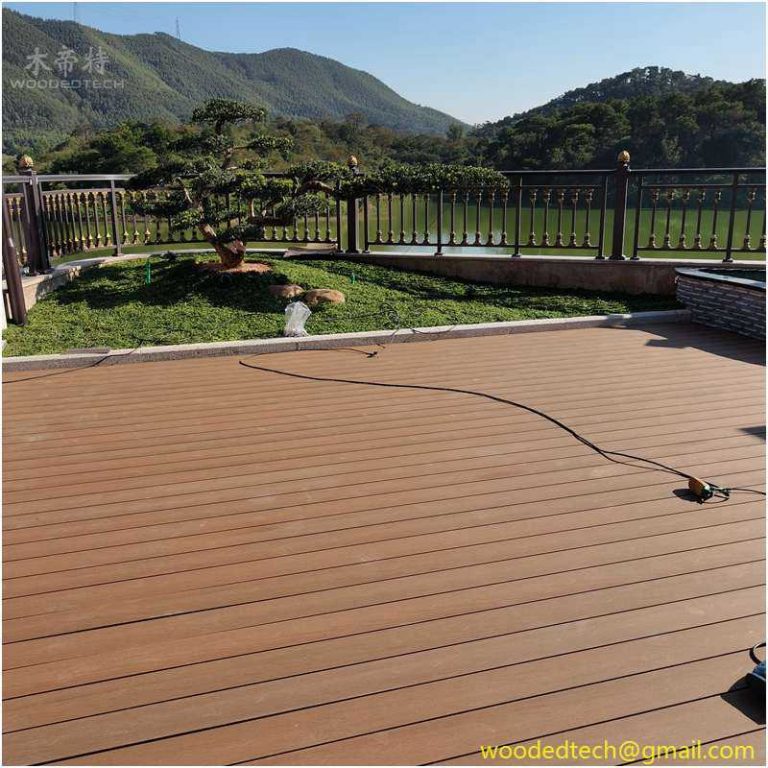
Pilihan lain yang mulai populer untuk pembangunan pergola adalah kayu komposit, yang menggabungkan serat kayu alami dengan plastik. Bahan inovatif ini menawarkan tampilan seperti kayu sekaligus memberikan daya tahan yang lebih baik dan kebutuhan perawatan yang minim. Kayu komposit tahan terhadap lengkungan, retakan, dan pudar, sehingga menjadikannya pilihan ideal untuk struktur luar ruangan. Selain itu, bahan ini tidak memerlukan pengecatan atau pelapisan secara rutin, sehingga pemilik rumah dapat menikmati ruang luar mereka tanpa repot melakukan perawatan yang rumit. Bahan komposit tersedia dalam berbagai warna dan tekstur, sehingga memberikan banyak pilihan untuk penyesuaian sesuai selera.
Bagi mereka yang menghargai keindahan kayu keras tropis, pilihan seperti mahoni dan jati patut dipertimbangkan. Kayu-kayu ini terkenal karena penampilannya yang memukau dan daya tahannya yang luar biasa. Mahoni memiliki warna gelap yang kaya serta serat halus, menjadikannya pilihan mewah untuk pergola. Di sisi lain, jati terkenal karena ketahanannya yang luar biasa terhadap air dan serangga, sehingga menjadikannya pilihan ideal untuk penggunaan di luar ruangan. Kedua jenis kayu keras ini mungkin lebih mahal daripada pilihan lainnya, tetapi umur pakainya yang panjang dan daya tarik estetisnya sering kali sepadan dengan investasi yang dikeluarkan.

Saat memilih bahan kayu untuk pergola, sangat penting untuk mempertimbangkan iklim dan kondisi lingkungan di daerah Anda. Setiap jenis kayu memiliki tingkat ketahanan yang berbeda-beda terhadap kelembapan, panas, dan kelembaban udara. Misalnya, di daerah pesisir yang sering terkena air laut dan kelembapan tinggi, memilih bahan kayu dengan ketahanan tinggi terhadap unsur-unsur tersebut sangat penting untuk menjamin umur pakai yang panjang. Sebaliknya, di iklim yang lebih kering, risiko retak dan melengkung mungkin lebih tinggi, sehingga penting untuk memilih kayu yang mampu menahan kondisi tersebut.
Selain jenis kayunya, penting juga untuk mempertimbangkan perawatan dan lapisan akhir yang diterapkan pada bahan tersebut. Penyegelan dan pewarnaan yang tepat dapat secara signifikan meningkatkan umur pakai kayu, melindunginya dari cuaca, dan mencegah kerusakan seiring berjalannya waktu. Perawatan rutin, termasuk pembersihan dan pengaplikasian ulang lapisan pelindung, dapat memperpanjang umur pergola dan menjaganya agar tetap terlihat prima.
Pada akhirnya, pemilihan bahan kayu untuk pergola akan bergantung pada preferensi pribadi, anggaran, dan estetika yang diinginkan. Setiap jenis kayu menawarkan keunggulan unik yang dapat memenuhi berbagai kebutuhan dan gaya. Dengan mempertimbangkan faktor-faktor ini secara cermat, pemilik rumah dapat menciptakan ruang luar yang indah dan fungsional yang mempercantik properti mereka serta memberikan kenikmatan selama bertahun-tahun ke depan. Baik memilih keindahan alami kayu cedar, ketahanan kayu redwood, maupun kemudahan perawatan bahan komposit, pilihan yang tepat akan memastikan bahwa ruang luar tetap menarik dan menawan.