Bahasa Indonesia
  English
  Español
  Français
  Português
  Deutsch
  Italiano
  Русский
  العربية
  简体中文
简体中文  香港中文
香港中文  한국어
한국어  日本語
日本語  Türkçe
  Nederlands
 Penutup jalan plastik komposit vs logam untuk daya tahan dan efektivitas biaya
Ketika berbicara tentang permukaan luar ruangan, khususnya jalan setapak, pilihan bahan dapat sangat mempengaruhi tidak hanya daya tarik estetika tetapi juga daya tahan dan efektivitas biaya pemasangan. Di antara berbagai pilihan yang tersedia, penutup jalan plastik komposit dan permukaan logam telah muncul sebagai dua pilihan yang paling populer. Setiap bahan menawarkan keunggulan unik...
When it comes to outdoor surfaces, particularly walkways, the choice of materials can greatly influence not only the aesthetic appeal but also the durability and cost-effectiveness of the installation. Among the various options available, composite plastic walkway covers and metal surfaces have emerged as two of the most popular choices. Each material offers unique advantages and disadvantages that can cater to different needs and preferences.
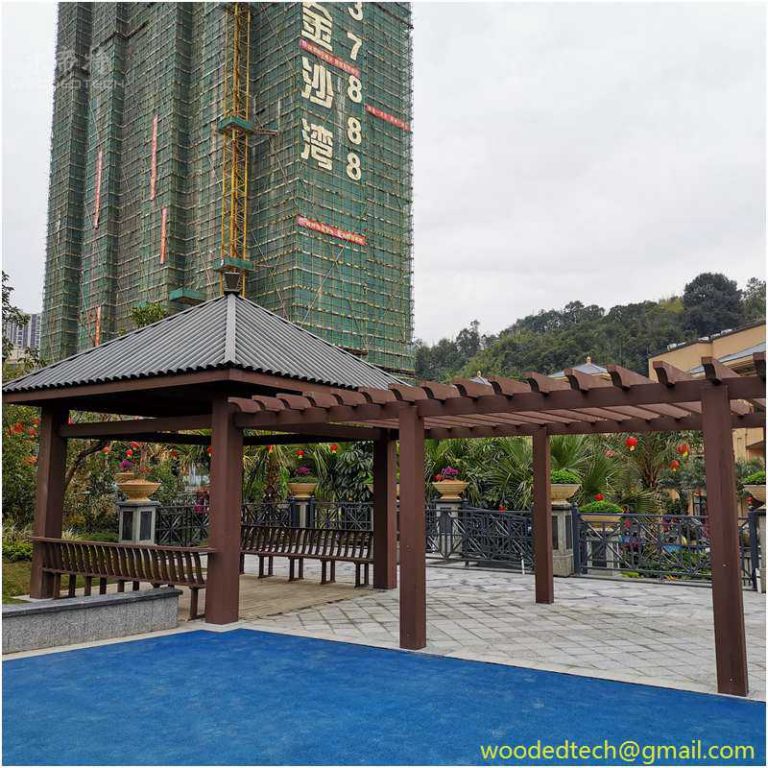
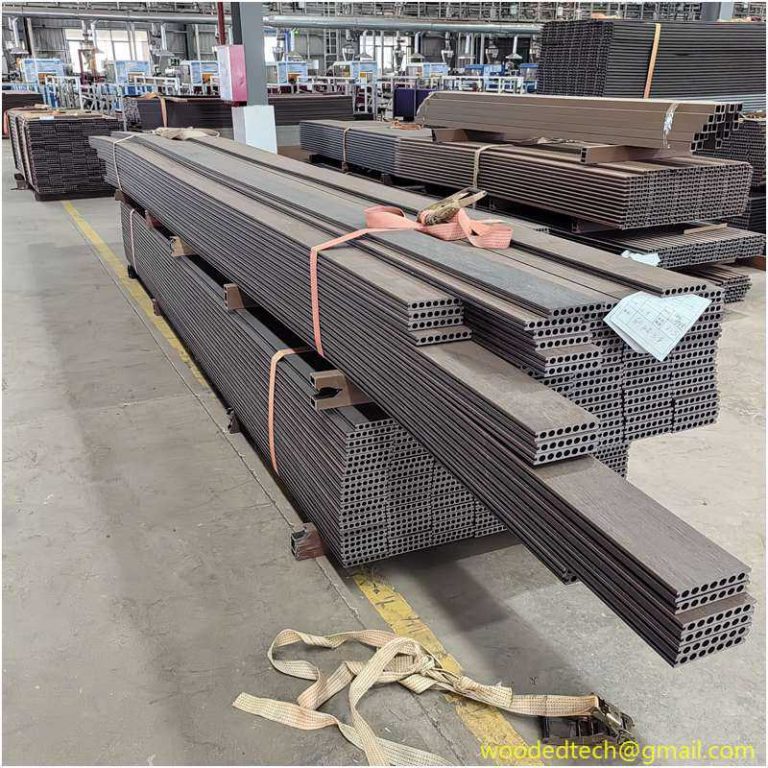
Composite plastic walkway covers, often made from a blend of recycled wood fibers and plastic, have gained traction due to their versatility and environmental benefits. One of the standout features of composite materials is their resistance to weather-related wear and tear. Unlike traditional wood, composite plastic does not rot, splinter, or warp, which makes it particularly suitable for areas that experience high moisture or fluctuating temperatures. This durability translates into a longer lifespan, reducing the need for frequent replacements or repairs.
Moreover, composite materials require minimal maintenance compared to metal surfaces. They do not require regular painting or sealing, which can save both time and money in the long run. A simple wash with soap and water is often sufficient to keep them looking new. Additionally, composite plastic walkways are available in a variety of colors and textures, allowing for greater design flexibility. This means that homeowners and designers can achieve the desired aesthetic without compromising on durability.
On the other hand, metal walkways, typically made from materials like aluminum or steel, offer their own set of benefits. One of the most significant advantages of metal surfaces is their strength. Metal walkways can withstand heavy loads and are less likely to be damaged by heavy equipment or foot traffic. This makes them a popular choice for commercial properties or industrial settings where durability is paramount.

Metal surfaces are also fire-resistant, which can be an important consideration in certain environments. For instance, in areas prone to wildfires or in industrial sites where sparks may occur, metal walkways can provide an added layer of safety. However, one should also consider that metal can be susceptible to corrosion, especially in coastal areas with high salt content in the air. This may require additional protective coatings or treatments to maintain their integrity over time.
Cost-effectiveness is another crucial factor when comparing composite plastic and metal walkway covers. The initial installation cost of composite materials can be higher than that of metal surfaces. However, when you factor in the long-term savings associated with maintenance and replacement, composite materials often prove to be more economical. The reduced need for upkeep and the longer lifespan can offset the higher upfront costs, making them a worthwhile investment for residential and commercial projects alike.
In contrast, while metal walkways may have a lower initial cost, they often require more frequent maintenance and repairs to address issues such as rust or surface wear. This ongoing expense should be considered when evaluating the overall cost-effectiveness of metal versus composite plastic walkways.
Another key aspect to consider is the environmental impact of each material. Composite plastic walkways often incorporate recycled materials, making them a more eco-friendly choice for environmentally conscious consumers. The production process for composite materials typically has a lower carbon footprint compared to metal, which is energy-intensive to produce. This makes composite options appealing for those looking to reduce their ecological footprint while still achieving functional outdoor spaces.

Metal walkways, while not necessarily harmful to the environment, do not offer the same level of sustainability as composite materials. However, metal can be recycled at the end of its life cycle, which is an important factor for those looking to minimize waste. The choice between these materials may ultimately depend on the specific values and priorities of the consumer.
Installation is another important consideration when choosing between composite plastic walkway covers and metal surfaces. Composite materials tend to be lighter and easier to work with, which can simplify the installation process. This can be particularly beneficial for DIY enthusiasts or smaller projects where hiring a contractor may not be feasible. In contrast, metal walkways often require specialized equipment and expertise for proper installation, which can increase labor costs and complexity.
Aesthetic appeal also plays a significant role in the decision-making process. Composite plastic materials are available in a wide range of colors, styles, and textures, allowing for customization that can complement any landscape design. This flexibility makes them ideal for residential properties where visual appeal is as important as practicality. Metal walkways, while often sleek and modern, may not offer the same variety of design options, which could limit their applicability in certain settings.
Ultimately, the choice between composite plastic walkway covers and metal surfaces depends on a variety of factors, including durability, cost-effectiveness, environmental impact, ease of installation, and aesthetic preferences. Each material has its strengths and weaknesses, making it essential for homeowners, designers, and builders to carefully evaluate their specific needs before making a decision. By understanding the unique characteristics of each option, one can make an informed choice that enhances the functionality and beauty of outdoor spaces.